


Heat Exchanger Technology Enabling Efficient Thermal Control
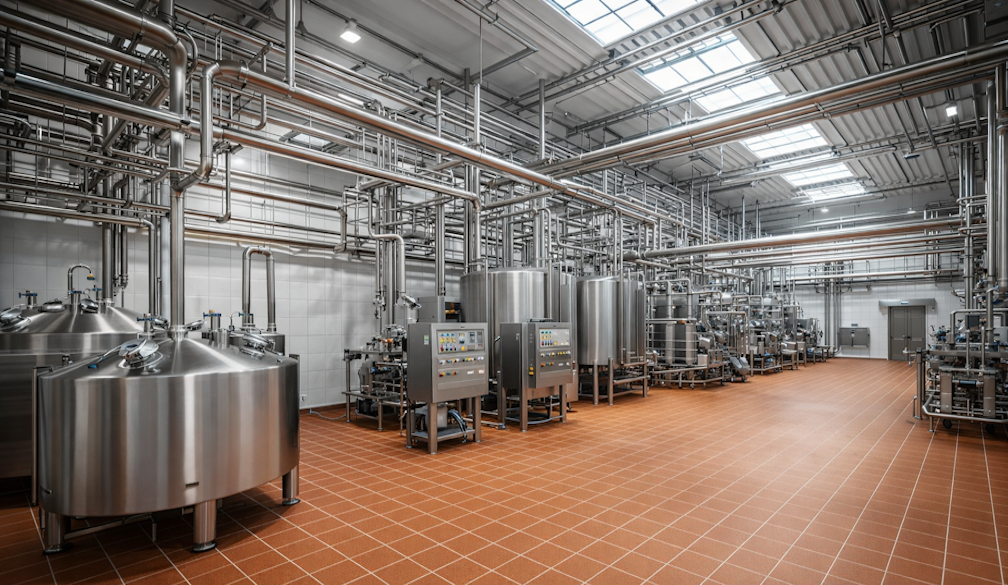
In industrial and processing environments, managing heat accurately is essential for performance, safety, and energy efficiency. A heat exchanger is a critical piece of equipment designed to transfer heat between two or more fluids without allowing them to mix. This controlled exchange supports stable temperatures, protects equipment, and enables processes to operate consistently across a wide range of industries.
Heat exchangers are used wherever heating or cooling is required as part of a continuous operation. From food processing and chemical production to energy systems and manufacturing, these units play a quiet but vital role in maintaining balance. By recovering, transferring, or dissipating heat effectively, they help systems run more efficiently while reducing unnecessary energy loss.
How Heat Exchangers Work in Industrial Processes
At their core, heat exchangers rely on the principle of thermal transfer. A hot fluid passes alongside a cooler fluid, and heat moves from the higher temperature medium to the lower one through a separating surface. This surface allows heat to pass while keeping the fluids physically isolated, preserving purity and system integrity.
The efficiency of this process depends on surface area, flow rate, and temperature difference. Well-designed heat exchangers maximise contact between fluids and the heat transfer surface, allowing thermal energy to move quickly and predictably. This precise control is essential in processes where temperature directly affects quality, safety, or reaction outcomes.
Types of Heat Exchangers and Their Applications
Different applications require different heat exchanger designs. Shell and tube heat exchangers are commonly used in heavy industrial settings where durability and pressure resistance are required. Plate heat exchangers offer high efficiency in compact spaces, making them suitable for applications where space and accessibility are important.
Other designs, such as air-cooled and spiral heat exchangers, serve specialised roles depending on the operating environment. Each type is engineered to suit specific temperature ranges, fluid properties, and maintenance requirements. Selecting the right design ensures optimal performance and long-term reliability.
Heat Exchangers in Food and Process Industries
In food processing, precise temperature control is essential for product safety and quality. Heat exchangers are used in processes such as pasteurisation, cooling, and heating to ensure products reach and maintain required temperatures. Consistency is critical, as even small temperature deviations can affect taste, texture, or safety.
Process industries such as chemicals and pharmaceuticals also rely heavily on heat exchangers. Many reactions depend on controlled heat input or removal. Reliable thermal management ensures reactions proceed as intended, protecting both product quality and equipment from thermal stress.
Energy Efficiency and Cost Reduction
One of the major benefits of heat exchangers is their contribution to energy efficiency. By transferring heat from one part of a process to another, they reduce the need for additional heating or cooling inputs. This recovery of thermal energy lowers energy consumption and operating costs.
Efficient heat exchange also supports sustainability goals. Reduced energy use leads to lower emissions and a smaller environmental footprint. For industries operating at scale, even modest improvements in thermal efficiency can result in significant long-term savings.
Materials and Design Considerations
The performance and lifespan of a heat exchanger depend heavily on material selection and design. Materials must withstand operating temperatures, pressures, and the chemical properties of the fluids involved. Stainless steel is commonly used due to its corrosion resistance and suitability for hygienic applications, particularly in food and pharmaceutical processing.
Design considerations also include ease of cleaning and maintenance. In applications where hygiene is critical, smooth surfaces and accessible designs support effective cleaning and inspection. A well-designed heat exchanger balances performance with practicality, ensuring it can be maintained without excessive downtime.
Maintenance and Reliability in Continuous Operation
Heat exchangers often operate continuously, making reliability essential. Fouling, scaling, and corrosion can reduce efficiency over time if not managed properly. Regular inspection and cleaning help maintain heat transfer performance and prevent unexpected failures.
Preventative maintenance extends equipment life and ensures consistent operation. Monitoring temperature differentials and pressure drops can provide early warning of issues, allowing maintenance to be planned rather than reactive. This proactive approach reduces downtime and protects overall system performance.
Safety and Process Stability
Thermal control is closely linked to safety. Excessive temperatures can damage equipment, compromise product quality, or create hazardous conditions. Heat exchangers help stabilise temperatures, reducing the risk of overheating or thermal shock.
In regulated industries, consistent temperature control is also essential for compliance. Heat exchangers support documented and repeatable processes, helping organisations meet safety and quality standards with confidence.
Integration Into Modern Systems
Modern heat exchangers are often integrated with automated control systems. Sensors and monitoring equipment track temperature and flow, allowing adjustments to be made in real time. This integration supports precise control and improves responsiveness to changing process conditions.
Automation also enhances efficiency by ensuring heat exchange occurs only as needed. This intelligent operation reduces waste and supports smoother overall system performance.
Choosing the Right Heat Exchanger Solution
Selecting the right heat exchanger requires understanding process requirements, operating conditions, and long-term goals. Factors such as temperature range, fluid type, pressure, and maintenance access all influence the best choice. Working with experienced suppliers helps ensure the selected solution aligns with both current needs and future expansion.
A well-matched heat exchanger delivers consistent performance and minimises operational challenges. Rather than being a point of concern, it becomes a reliable part of the system that quietly supports efficiency and stability.
Long-Term Value of Heat Exchanger Technology
Heat exchangers may not always be visible, but their impact is significant. They enable efficient energy use, protect equipment, and support high-quality outcomes across diverse industries. When designed, selected, and maintained properly, they deliver dependable performance over many years.
As industries continue to prioritise efficiency, safety, and sustainability, heat exchanger technology remains essential. Its ability to manage thermal energy effectively makes it a cornerstone of modern industrial systems, supporting reliable operations and long-term success.
