

Why Food Manufacturing Cleaning Is Critical For Hygiene And Compliance In Production Facilities
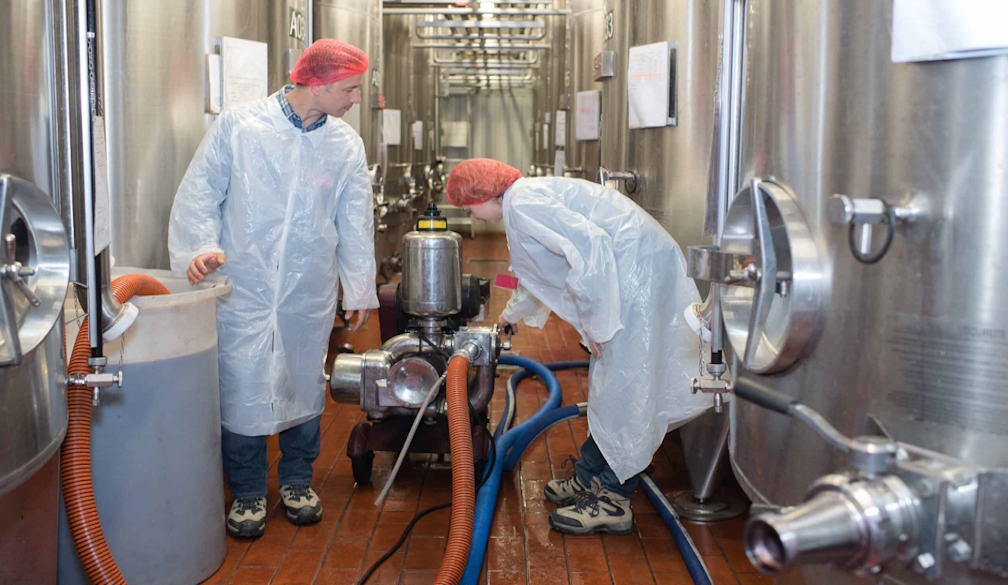
Maintaining strict hygiene standards is essential in food production environments, which is why food manufacturing cleaning plays a crucial role in ensuring safety, compliance, and product quality. Food manufacturing facilities operate under highly regulated conditions where cleanliness directly impacts both consumer health and operational efficiency. Even minor lapses in cleaning protocols can lead to contamination risks and regulatory issues.
In these environments, cleaning is not just about maintaining appearance but about ensuring that all surfaces, equipment, and processing areas meet hygiene standards. A structured and consistent cleaning approach is necessary to maintain safe production conditions.
Understanding The Importance Of Hygiene In Food Production
Food manufacturing involves the handling and processing of raw materials that can easily become contaminated if proper hygiene practices are not followed. Bacteria, allergens, and residues can accumulate on surfaces and equipment, posing risks to product safety.
Maintaining high levels of cleanliness helps prevent contamination and ensures that products meet quality standards. This is particularly important in facilities that handle perishable goods or operate under strict regulatory requirements.
Key Areas That Require Regular Cleaning
In food manufacturing facilities, certain areas require more frequent and thorough cleaning due to their exposure to raw materials and processing activities. These include production lines, storage areas, equipment surfaces, and ventilation systems.
Each area has specific cleaning requirements based on its function and level of exposure. Ensuring that all areas are properly cleaned helps maintain overall hygiene and prevents the spread of contaminants.
The Role Of Cleaning Protocols And Standards
Cleaning protocols provide a structured approach to maintaining hygiene in food manufacturing environments. These protocols outline the procedures, frequency, and methods required for effective cleaning.
Adhering to established standards ensures that cleaning processes are consistent and meet regulatory requirements. This helps maintain compliance and reduces the risk of penalties or operational disruptions.
Preventing Cross-Contamination
Cross-contamination is a significant concern in food manufacturing, as it can lead to the transfer of harmful substances between products. Effective cleaning practices help minimise this risk by ensuring that surfaces and equipment are free from residues.
Using appropriate cleaning methods and materials ensures that contaminants are removed effectively. This contributes to maintaining product safety and quality.
Improving Operational Efficiency
A clean production environment supports efficient operations by reducing the likelihood of equipment malfunctions and production delays. Residue buildup can affect machinery performance, leading to downtime and maintenance issues.
Regular cleaning helps maintain equipment functionality and ensures that production processes run smoothly. This contributes to overall efficiency and productivity.
Compliance With Industry Regulations
Food manufacturing facilities must comply with strict hygiene and safety regulations. These regulations are designed to protect consumers and ensure that products meet quality standards.
Proper cleaning practices are essential for meeting these requirements. Regular inspections and audits often focus on cleanliness, making it important for facilities to maintain high standards at all times.
The Role Of Professional Cleaning Services
Professional cleaning services provide expertise and specialised equipment for maintaining hygiene in food manufacturing environments. They understand the specific requirements of these facilities and implement effective cleaning strategies tailored to high-risk zones. Using professional services ensures that cleaning is carried out thoroughly and in strict compliance with industry standards and health regulations.
Beyond surface-level sanitation, these experts employ advanced microbial control techniques to safeguard product integrity. This proactive approach significantly reduces the risk of costly contamination outbreaks and cross-contamination incidents. By entrusting these critical tasks to specialists, facilities can minimise downtime, extend the lifespan of industrial machinery, and support overall operational efficiency through a reliably sterile production environment.
Maintenance And Continuous Improvement
Maintaining cleanliness in food manufacturing facilities requires ongoing effort and continuous improvement. Regular reviews of cleaning protocols help identify areas for enhancement and ensure that standards are maintained.
Training staff and updating procedures contribute to improved performance and consistency. This ensures that facilities remain compliant and operate efficiently over time.
Conclusion
Food manufacturing cleaning is a critical component of maintaining hygiene, safety, and compliance in production facilities. By implementing structured cleaning protocols and ensuring consistent practices, organisations can reduce contamination risks and improve operational efficiency. With proper maintenance and professional support, food manufacturing environments can maintain high standards and deliver safe, high-quality products.