

How Abrasive Blasting Prepares Surfaces for Better Finishing
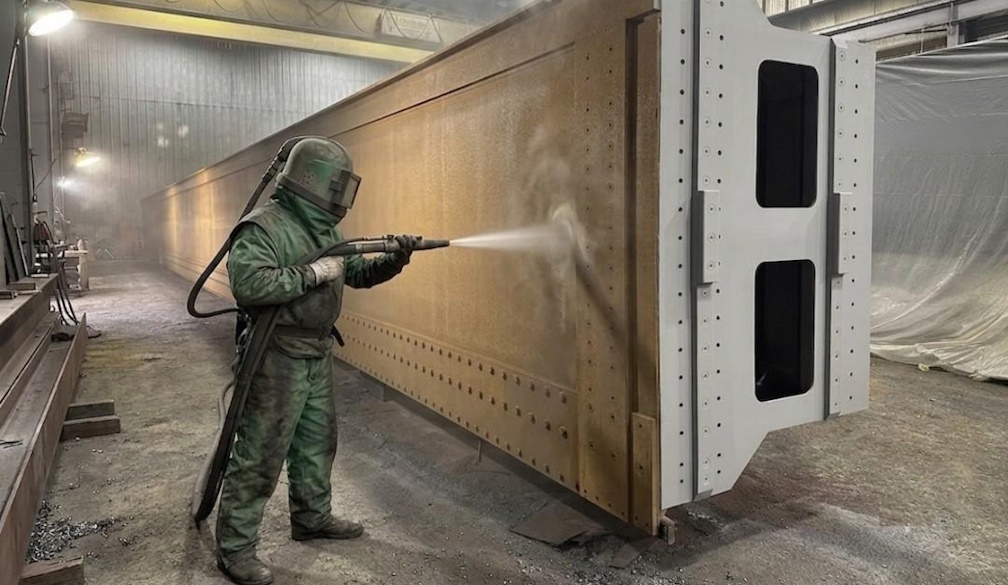
Abrasive blasting is used to clean and prepare surfaces by directing abrasive media at a material under controlled conditions. It can remove coatings, rust, scale and other unwanted material, helping create a suitable surface for later treatment or finishing. The correct method depends on the substrate, the material being removed, the required finish and the conditions in which the work will take place.
Wet blasting combines abrasive media with water to support surface cleaning while helping control airborne dust. The process may suit jobs where dust management is important, but the result still depends on selecting suitable media, pressure and operating technique. All Blast provides blasting services, and discussing the material, contamination and intended finish helps determine an appropriate approach.
Assess the surface before choosing a method
Surface preparation should begin with an assessment of the material and its condition. Steel affected by corrosion may require a different approach from aluminium, masonry or a painted component. The operator should identify the existing coating, the extent of contamination and any areas that must be protected. This assessment helps avoid unnecessary material removal and supports a more consistent finish. Abrasive blasting should be planned around the surface condition and the finish that will follow.
The required result matters too. Some jobs need the removal of heavy rust or old coatings, while others need a controlled profile to help a new coating adhere. Confirming the next step in the process gives the blasting team a clear target. Sensitive parts, edges, threads and finished areas may need masking or a different treatment method.
Understand the role of abrasive media
Different abrasive media produce different results. Media selection depends on the substrate, the coating or contamination being removed, the desired surface profile and the level of control needed. An aggressive medium may remove stubborn material efficiently but could damage a softer substrate. A less aggressive option may be more appropriate where the original surface must be preserved. The right abrasive blasting method balances removal rate with protection of the base material.
Operators should also consider the condition and shape of the component, access to recessed areas and how the media will be collected or managed. Clear job specifications help the team choose a method that balances cleaning effectiveness with surface protection. The aim is not simply to remove material quickly; it is to achieve the required condition without creating avoidable damage.
When wet blasting may be suitable
Wet blasting uses water alongside abrasive media and can help suppress dust during certain surface-preparation tasks. It may be considered for components where airborne particles need to be managed or where the process benefits from a particular cleaning action. However, water introduces its own considerations, including drying, flash rust on susceptible metals and the handling of wastewater or residue. Wet blasting should be selected only after considering moisture sensitivity and post-treatment needs.
Before choosing wet blasting, consider whether the component can tolerate moisture and how it will be dried and protected after treatment. The operator should also assess drainage, containment and any environmental requirements for managing the resulting slurry. A suitable process plan accounts for cleaning, post-treatment and the condition the surface must be in before it moves to the next stage. For wet blasting, plan how the component will be dried and protected after cleaning.
Plan safety and site controls
Blasting work requires appropriate controls for abrasive media, dust, noise, equipment and the surrounding work area. The measures needed depend on the method, material and location. Work planning should identify nearby people and equipment, establish suitable exclusion zones where required and ensure operators use appropriate protective equipment. Equipment should be checked before work begins, and operating procedures should be followed throughout the job.
Containment and clean-up should be considered before blasting starts. Protect nearby machinery, openings and finished surfaces from overspray or stray media. Once work is complete, inspect the area and remove residue using a method appropriate to the material and site requirements. Good preparation reduces the chance that blasting will interfere with other work or leave contamination behind.
Check the result before applying a finish
After blasting, inspect the surface against the job specification. Check whether coatings, rust or contamination have been removed as required and whether the resulting profile is appropriate for the next treatment. Look for missed areas, embedded residue or damage that could affect the finished component. If a coating will be applied, confirm the surface is clean and prepared according to the coating system’s requirements. After abrasive blasting, compare the surface with the agreed preparation standard before coating.
Timing can matter after preparation, especially where bare metal is exposed to moisture or contaminants. Arrange the next process so the surface does not sit unprotected longer than necessary. All Blast can discuss the condition of the component, the type of material to be removed and the finish required, helping clients establish a practical surface-preparation plan.
Match the process to the job
Choosing a blasting method involves balancing cleaning needs, substrate protection, site controls and the next stage of production. Provide clear information about the component’s material, size, condition, contamination and intended finish when requesting advice. Photographs, drawings or coating specifications can help explain areas that require particular care. Abrasive blasting is most effective when the scope and expected finish are agreed before work begins.
With the right assessment and process controls, abrasive preparation can support a more consistent result and make later finishing work easier to plan. All Blast can help assess whether dry or wet methods suit a particular surface and discuss the practical requirements before work begins.
