

Understanding Philips Dynalite Lighting Control Systems
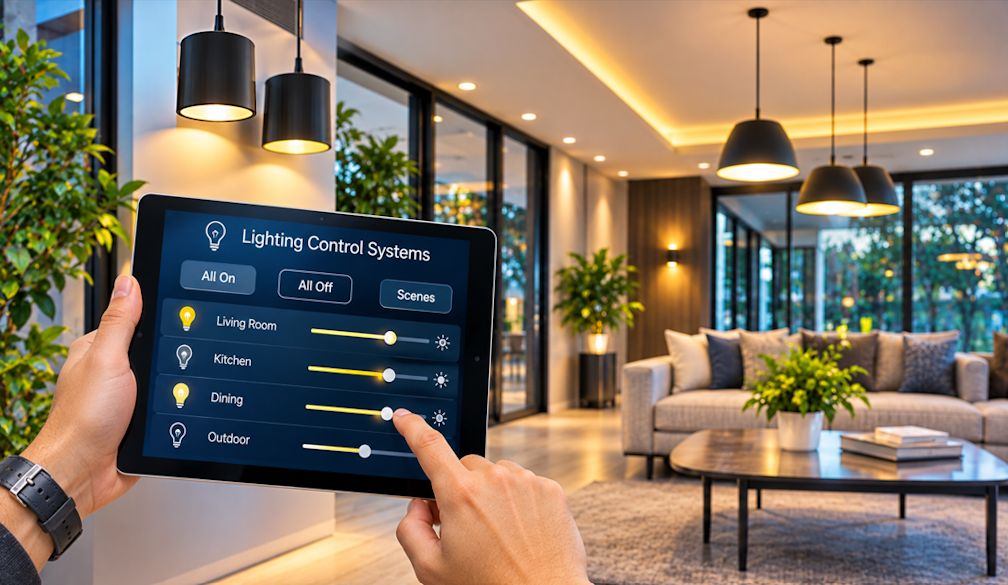
Lighting Control and Project Planning
Lighting control planning considers how different areas are used, the lighting equipment selected and the control requirements of the property. A project may include individual circuits, multiple zones, programmed scenes or coordinated controls, depending on the design. Philips Dynalite is a lighting control platform that may be considered for projects requiring centralised or coordinated lighting management. Establishing the brief early can help identify the required functions, room arrangements, control interfaces and integration needs. The approach should be based on the property’s design, the intended use of the lighting and the specifications agreed for the project.
Understanding the System Requirements
The configuration of a lighting control system depends on the equipment, wiring arrangements, control devices and project specifications. Discussing the proposed Philips Dynalite system can help clarify how the lighting zones will be organised, what interfaces are planned and which functions will be available to occupants. The requirements may differ between residential, commercial and other spaces. Reviewing the design as a whole helps establish how controls should operate, what coordination may be needed with other trades and how the system should be configured to support the intended use.
Scenes, Zones and User Controls
Lighting zones and scenes can be planned to suit the way people use different areas throughout the day. A scene may coordinate multiple lighting settings, while individual controls may allow users to adjust a particular zone. The choice of control interfaces should reflect the project requirements and user preferences. Planning the naming and arrangement of zones can also help create a consistent experience across the property. It is important to consider how occupants will interact with the system and whether the control options are suitable for the spaces and activities involved.
Coordination With Other Building Systems
Lighting controls may form part of a broader building technology arrangement. Depending on the design, coordination may be required with other electrical, audiovisual, automation or building systems. These interfaces should be considered during planning so the project scope and responsibilities are clear. Discussions about integration can help identify the equipment involved, the expected behaviour and any requirements that need to be addressed before installation. The final configuration should reflect the technical specifications and the intended use of the space.Projects using Philips Dynalite may also need to consider how lighting controls coordinate with other systems. A Philips Dynalite system may be designed to coordinate selected functions within a broader building technology arrangement. Response Automation can discuss the coordination requirements with the project team, including how the lighting control design relates to other equipment and interfaces. A review of these details can help establish which functions are expected to operate together, how the system is intended to respond and what needs to be confirmed before installation. The scope should also account for the relevant technical documentation and any agreed responsibilities.
Configuration, Testing and Handover
Installation and configuration need to be coordinated with the project’s wiring, equipment and control requirements. Testing should be planned around the agreed functions and the relevant project specifications. During handover, users should understand the controls, lighting zones and scene operation, as well as the support arrangements for the system. A clear explanation of the configuration can help occupants use the controls confidently and identify the relevant information if adjustments or further work are required. Philips Dynalite configuration should be reviewed against the agreed control functions during testing.The Philips Dynalite system handover should explain the controls and functions configured for the project. Response Automation can help clarify the project scope and handover expectations.
Conclusion
Lighting control projects benefit from careful planning of zones, scenes, interfaces, integration requirements and user needs. The configuration should be suited to the space and the specifications of the project. If you are considering Philips Dynalite or planning a Philips Dynalite system, Response Automation can discuss the requirements of your lighting control project and the available options. Contact the team to talk through the layout, controls and integration requirements. Response Automation can provide further information about the scope and specifications to be considered.
