

Commercial Roller Shutters: How Adelaide Businesses Can Improve Security After Hours
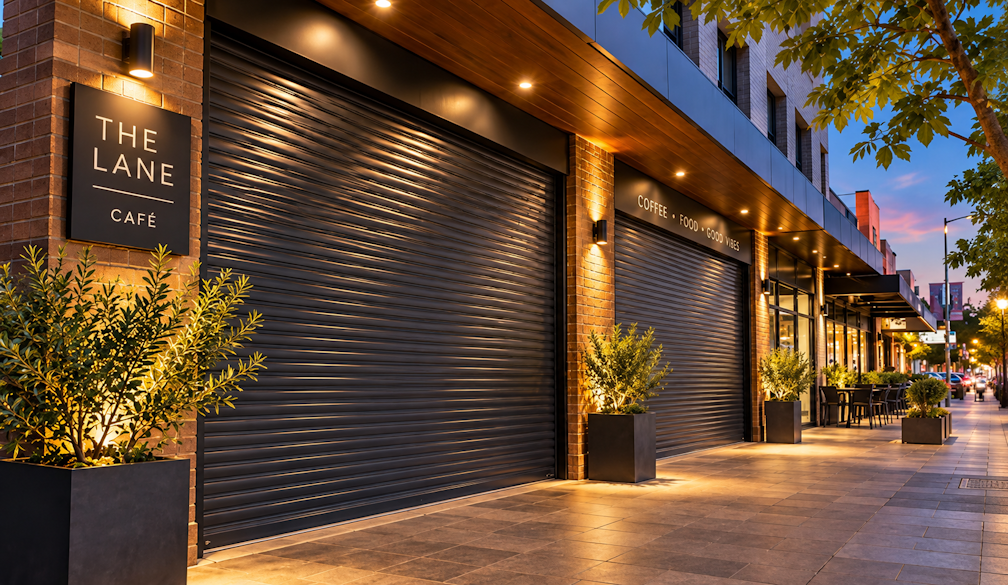
Running a small business takes enough energy during opening hours. The last thing you want is to lie awake at night wondering whether your shopfront, stock and equipment are safe.
Break-ins, vandalism and smashed windows can be costly and disruptive, especially for independent shops, cafés and warehouses. Beyond the repair bill, there's lost trading time, insurance paperwork and the stress of cleaning up.
That's why many business owners are investing in commercial roller shutters in Adelaide. They offer a strong physical barrier after hours while rolling neatly out of the way when it's time to open.
What Are Commercial Roller Shutters?
Commercial roller shutters are strong, retractable barriers made from interlocking slats, usually aluminium or steel. They're mounted above doors, windows, counters or loading bays, and roll up into a compact housing when not in use.
They can be operated manually or with a motor, depending on the size of the opening and how often the shutter is used. Motorised options are especially popular for larger shopfronts and roller doors that are opened and closed every day.
Which Businesses Use Roller Shutters?
Roller shutters suit a wide range of commercial spaces across Adelaide, including:
- Retail shops and boutiques
- Cafés, restaurants and takeaway outlets
- Pharmacies and medical practices
- Warehouses, factories and workshops
- Service counters, kiosks and food courts
- Offices and professional suites
Whether you run a shop on a busy strip like The Parade in Norwood or a workshop in an industrial estate, shutters can be tailored to suit the building and the way your business operates.
6 Key Benefits of Commercial Roller Shutters
1. Stronger Security
The most obvious benefit is security. A closed roller shutter creates a solid, visible barrier that makes it much harder to break in through windows or doors.
Just as importantly, it acts as a deterrent. Many opportunistic thieves will look for an easier target when they see a well-secured shopfront.
2. Protection From Vandalism
Smashed glass and graffiti are frustrating and expensive to fix. Shutters help protect windows and shopfronts from damage overnight, reducing repair costs and time spent cleaning up.
3. Weather Protection
Adelaide's weather can be tough on buildings, from summer heatwaves to winter storms and strong winds. Roller shutters provide an extra layer of protection against flying debris, hail and harsh sun.
4. Temperature and Energy Control
Shutters can help reduce heat entering a building through windows and glass doors during hot weather. Keeping them closed after hours may also help hold warmth inside during cooler months.
For businesses with refrigerated stock or temperature-sensitive products, this added insulation can be useful.
5. Noise Reduction
Businesses on busy roads or near nightlife precincts may find that closed shutters help reduce outside noise. This can be handy for businesses that also have staff working early or late.
6. Convenience and Ease of Use
Modern motorised shutters can be opened and closed at the push of a button or with a remote. That makes opening and closing quicker and easier, especially for larger openings or businesses with early starts.
Choosing the Right Type of Shutter
Solid Shutters
Solid shutters offer maximum security and privacy, completely covering the opening when closed. They're a popular choice for warehouses, loading docks and businesses holding high-value stock.
Perforated or See-Through Shutters
Perforated shutters have small holes that allow some visibility and airflow while still providing security. They're popular with retailers who want passers-by to see window displays after hours.
Aluminium or Steel
Aluminium is lightweight and resistant to rust, making it a good option for many shopfronts. Steel offers added strength and is often chosen for industrial sites or larger openings.
An experienced installer can help you weigh up security, appearance, budget and maintenance to choose the right option.
Things to Check Before Installing
Before installing commercial shutters, it's worth checking a few important details:
- Landlord approval: if you lease your premises, you'll likely need the landlord's permission
- Council requirements: some councils have rules about shopfront changes, particularly on main streets or in heritage areas
- Emergency exits: shutters must not block required exits or safety equipment during trading hours
- Insurance: ask your insurer whether added security measures affect your cover
Checking these points early can help the installation go smoothly and avoid problems later.
Maintenance Tips
Like any mechanical system, roller shutters work best with a little care. Keep tracks clear of dirt and debris, wipe down the slats occasionally and listen for unusual noises when operating them.
Regular servicing can help identify wear before it becomes a bigger issue, particularly for motorised shutters that are used every day.
Choosing a Local Installer
Look for an installer with commercial experience who can assess your premises, explain your options clearly and provide a detailed quote. Ask about warranties, servicing and how long installation will take, so you can plan around trading hours.
Local specialists who supply roller shutters in Adelaide for both homes and businesses understand the local climate and building styles, and can recommend a solution that suits your property.
Final Thoughts
For many Adelaide businesses, commercial roller shutters are a practical way to protect premises, stock and equipment after hours. They offer security, weather protection and peace of mind, while staying out of sight during the working day.
If you've ever worried about what might happen to your shopfront overnight, investing in quality shutters could be one of the smartest upgrades your business makes.