


Fearless Smiles: Mastering Sleep Dentistry for Dental Anxiety
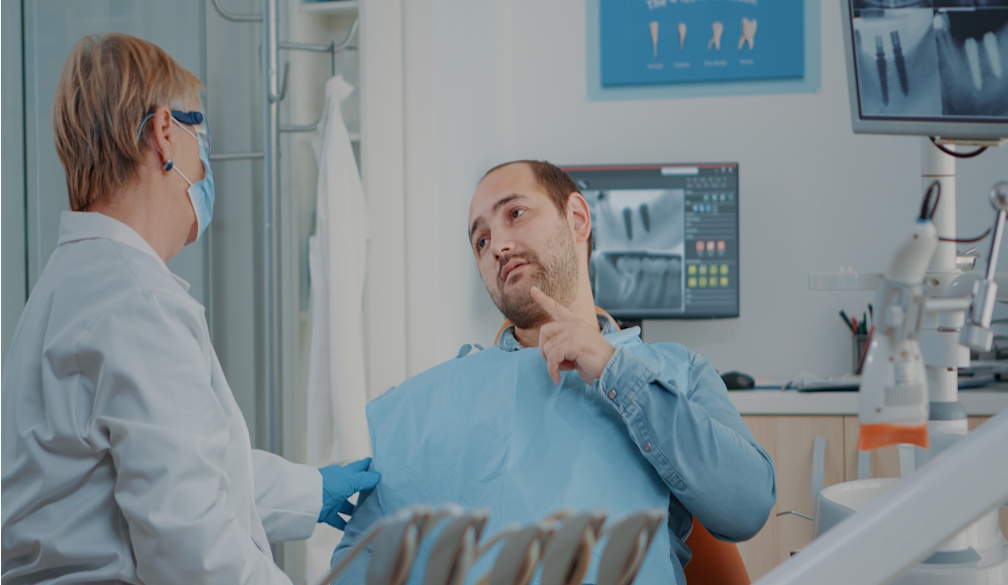
For many Australians, the mere thought of a dental chair triggers a physiological response: racing hearts, sweaty palms, and an overwhelming urge to cancel the appointment. Dental phobia is a significant barrier to oral health, often leading patients to neglect necessary treatments until they escalate into painful emergencies. However, the modern dental landscape has evolved. Through the advancement of sedation techniques, patients are discovering that dental visits no longer need to be a source of trauma.
Breaking the Cycle of Avoidance
The cycle of dental anxiety is a difficult one to break. It usually begins with a negative past experience, leading to avoidance. This avoidance results in deteriorating oral health, which eventually requires more complex and invasive procedures—the very things the patient was afraid of in the first place. Breaking this cycle requires more than just "willpower"; it requires a clinical environment that prioritizes patient comfort and psychological safety.
Sleep dentistry, also known as sedation dentistry, serves as the bridge between fear and health. By utilizing pharmacological aids to relax the central nervous system, dentists can provide care to those who previously found it impossible to sit through a check-up. This approach transforms the dental surgery from a place of stress into a controlled, calm environment where the patient's peace of mind is the primary focus.
The Spectrum of Sedation
Mastering sleep dentistry involves tailoring the level of sedation to the individual’s specific level of fear. It is not a one-size-fits-all solution, but rather a spectrum of care designed to suit different needs:
- Relative Analgesia (Nitrous Oxide): Commonly known as 'laughing gas', this is inhaled through a mask. It induces a feeling of euphoria and relaxation while allowing the patient to remain fully conscious and able to respond to the dentist.
- Oral Sedation: This involves taking a prescribed sedative (usually in pill form) before the procedure. It dulls the senses and reduces anxiety significantly, often making the patient feel drowsy.
- IV Sedation (Twilight Sedation): Administered intravenously, this state allows patients to remain conscious but in a deep state of relaxation. Most patients have little to no memory of the procedure afterward, which is a major benefit for those with severe phobias.
- General Anaesthesia: Usually reserved for complex surgeries or extreme cases of phobia, this involves the patient being completely unconscious in a hospital or specialized facility.
Overcoming Dental Anxiety Naturally with Sleep Dentistry
While "natural" and "dentistry" might seem like opposites, sleep dentistry facilitates a more organic healing process. When the body is under extreme stress, it produces cortisol and adrenaline, which can interfere with the effectiveness of local anaesthetics and slow down the initial recovery phase. By overcoming dental anxiety naturally with sleep dentistry, patients allow their bodies to remain in a parasympathetic state (rest and digest) rather than a sympathetic state (fight or flight).
This physiological calm means that the dentist can often perform multiple treatments in a single session—such as fillings, crowns, and a thorough clean—reducing the total number of visits required. For the patient, this means fewer opportunities for anxiety to build and a faster path to a healthy smile.
The Role of the Dental Team
The success of sleep dentistry isn't just about the sedative; it's about the expertise of the practitioners. A clinic that masters this field provides a holistic experience. This starts from the first phone call, where staff are trained to handle anxious enquiries with empathy and patience. During the procedure, the team monitors vital signs such as heart rate, blood pressure, and oxygen levels to ensure the highest safety standards.
Post-operative care is equally important. Because many forms of sedation have an amnesic effect, the dental team provides clear, written instructions for recovery. This comprehensive care model ensures that the patient feels supported even after they have left the clinic, further reducing the "fear of the unknown" for future visits.
Reclaiming Your Oral Health
Mastering dental anxiety is about reclaiming control. When fear no longer dictates whether or not you seek treatment, your long-term health outcomes improve dramatically. Sleep dentistry provides a "reset button" for those who have spent years or even decades avoiding the dentist. It allows for a fresh start where the focus is on prevention and aesthetics rather than pain management.
The shift in perspective is profound. Patients who once lived with the quiet shame of dental neglect often find a new sense of confidence once their oral health is restored. This confidence ripples out into other areas of life, from social interactions to professional settings. By choosing a path that respects your fears while addressing your needs, you can achieve a fearless smile.
To gain a deeper understanding of dental anxiety and how it affects the Australian population, it is essential to look at both the psychological triggers and the clinical solutions available in modern practice.
