

Sustainable landscape design: Eco-friendly choices for a greener garden
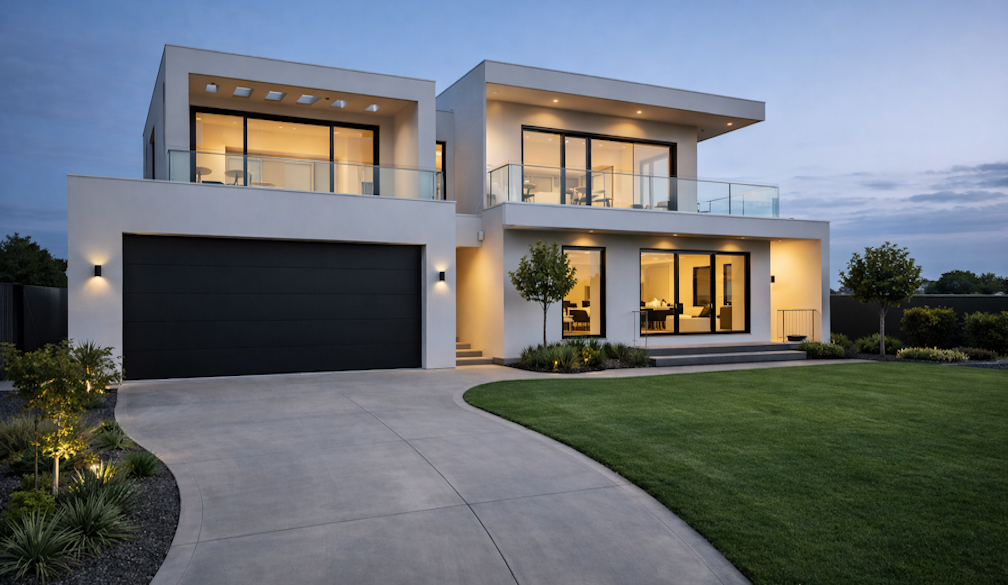
Transforming your outdoor space into a vibrant, functional haven doesn't have to come at the expense of the environment. Sustainable landscape design offers a thoughtful approach, blending aesthetics with ecological responsibility. It's about creating a garden that thrives with minimal resource input and maximum ecological benefit and aesthetic appeal. It's about designing outdoor spaces that not only look beautiful but also function as healthy ecosystems, integrating seamlessly with the natural world and requiring minimal intervention once established. This holistic approach considers everything from water usage and plant selection to soil health and material sourcing, aiming to create resilient, vibrant gardens that contribute positively to the environment.
Embracing Water Conservation: The Cornerstone of Sustainable Design
One of the most critical aspects of sustainable landscape design is intelligent water management. With increasingly unpredictable weather patterns and growing concerns about water scarcity, minimizing irrigation needs is paramount. This can be achieved through several key strategies: Learn more about professional landscape design.
- Xeriscaping and Drought-Tolerant Plants: The practice of xeriscaping focuses on selecting plants that are naturally adapted to arid or semi-arid climates, requiring little to no supplemental irrigation once established. This includes a wide array of beautiful options, from succulents and ornamental grasses to native shrubs and perennials that thrive in local conditions. By choosing plants that are suited to your region's rainfall patterns, you significantly reduce the need for constant watering, saving both water and time.
- Efficient Irrigation Systems: If supplemental watering is necessary, employing efficient irrigation methods can dramatically cut down on waste. Drip irrigation systems deliver water directly to the plant roots, minimizing evaporation and runoff commonly associated with traditional sprinklers. Smart irrigation controllers, which use weather data and soil moisture sensors, can further optimize watering schedules, ensuring plants receive just the right amount of water at the optimal time.
- Rainwater Harvesting: Capturing rainwater for later use is an excellent way to supplement your garden's water supply while reducing stormwater runoff. Rain barrels connected to downspouts can collect water for hand-watering containers or small garden beds. For larger properties, more elaborate cistern systems can store substantial amounts of water for broader irrigation needs.
- Permeable Surfaces: Hardscape elements like patios and walkways can contribute to runoff. Opting for permeable materials such as gravel, permeable pavers, or decomposed granite allows rainwater to infiltrate the soil rather than flowing into storm drains, recharging groundwater and reducing erosion.
Cultivating Biodiversity with Native Plants
Beyond water conservation, sustainable design places a strong emphasis on fostering biodiversity. Native plants are the bedrock of a healthy, thriving ecosystem. They have evolved over millennia to adapt to local soil types, climate conditions, and pest pressures, making them inherently low-maintenance and robust.
- Supporting Local Wildlife: Native plants provide essential food, shelter, and breeding grounds for local wildlife, including pollinators like bees and butterflies, beneficial insects, and birds. By creating a habitat with a diverse array of native species, you contribute to the health of the local food web and help counteract habitat loss.
- Reduced Need for Chemicals: Because native plants are well-suited to their environment, they are less susceptible to pests and diseases, significantly reducing or eliminating the need for chemical pesticides and fertilizers. This protects the soil, water, and the very creatures you're trying to attract.
- Avoiding Invasive Species: Conversely, it's crucial to avoid planting invasive species, which can outcompete native flora, disrupt ecosystems, and reduce biodiversity. Always research plants thoroughly to ensure they are not considered invasive in your region.
Nourishing Soil Health: The Foundation of Life
Healthy soil is the foundation of a sustainable garden. It acts as a living ecosystem, teeming with microorganisms that are vital for nutrient cycling, water retention, and plant growth. Sustainable practices aim to enrich and protect this invaluable resource:
- Composting: Turning kitchen scraps and yard waste into nutrient-rich compost is a cornerstone of sustainable gardening. Compost improves soil structure, aeration, and water retention, while also providing a slow-release source of essential nutrients for plants. It's a closed-loop system that reduces landfill waste and eliminates the need for synthetic fertilizers.
- Mulching: Applying a layer of organic mulch (such as wood chips, shredded leaves, or straw) to garden beds offers numerous benefits, and regular upkeep with services like Jim’s Mowing helps keep the landscape clean and well-managed. Mulch helps suppress weeds, retain soil moisture, regulate soil temperature, and slowly breaks down to add organic matter to the soil.
- Minimizing Soil Disturbance: Practices like no-till or minimal-till gardening help preserve the delicate structure of the soil and protect the beneficial microbial communities within it.
- Avoiding Synthetic Chemicals: Chemical fertilizers, pesticides, and herbicides can harm beneficial soil organisms, pollute waterways, and degrade soil health over time. Sustainable design advocates for organic pest control methods and natural soil amendments.
Thoughtful Material Selection and Energy Efficiency
The choices we make for hardscaping and garden structures also play a role in sustainability:
- Recycled and Reclaimed Materials: Prioritize materials with a low environmental impact. This includes using recycled content products (e.g., composite decking, recycled plastic lumber) or reclaimed materials like salvaged bricks, stones, or timber. This reduces demand for virgin resources and minimizes waste.
- Locally Sourced Materials: Opting for materials sourced from nearby suppliers reduces the carbon footprint associated with transportation.
- Durable and Long-Lasting: Investing in durable, high-quality materials that will last for many years reduces the need for frequent replacement, further minimizing resource consumption and waste.
- Strategic Planting for Energy Savings: Trees and shrubs can be strategically placed to enhance your home's energy efficiency. Deciduous trees planted on the south and west sides of a house can provide cooling shade in summer, while allowing sunlight to warm the house in winter. Evergreen trees can act as windbreaks, reducing heating costs.
- Low-Energy Lighting: For garden lighting, choose energy-efficient options like solar-powered lights or LED fixtures, which consume significantly less electricity and have a longer lifespan.
Waste Reduction and Lifecycle Thinking
A truly sustainable landscape considers the entire lifecycle of its components, from creation to eventual decomposition or repurposing. This means designing for longevity, minimizing construction waste, and managing ongoing garden waste responsibly.
Beyond on-site composting, it involves choosing materials that can be recycled or reused at the end of their life, and designing landscapes that require less frequent renovation or replacement. It’s a proactive approach to reduce the garden’s environmental footprint at every stage.
The Multifaceted Benefits of a Greener Garden
Adopting sustainable landscape design practices offers a wealth of benefits that extend far beyond aesthetics:
- Environmental Stewardship: You contribute to cleaner air and water, support local ecosystems, enhance biodiversity, and help mitigate climate change by sequestering carbon in healthy soils and plants.
- Economic Savings: Reduced water bills, lower maintenance costs (less mowing, fertilizing, and pest control), and increased property value are tangible economic advantages.
- Personal Well-being: A sustainable garden provides a healthier, more resilient outdoor space, offering a peaceful sanctuary and a deeper connection to nature. The satisfaction of knowing your garden is working in harmony with the environment is immeasurable.
Embarking on Your Sustainable Landscape Journey
Transforming your garden into a sustainable oasis doesn't have to happen overnight. Start small, perhaps by converting a section of your lawn to a native plant bed, installing a rain barrel, or beginning a compost pile. Conduct a site analysis to understand your garden's unique conditions - sun exposure, soil type, and existing features. Set realistic goals and prioritize changes that will have the biggest impact. Don't hesitate to consult with landscape professionals who specialize in sustainable design for guidance and expertise.
Sustainable landscape design is more than just a trend; it's a responsible and rewarding way to interact with our outdoor spaces. By making conscious choices that benefit the planet, we can create gardens that not only flourish beautifully but also contribute to a healthier, more sustainable future for everyone.
