

How Often to Clean a Septic Tank: A Risk-Based Guide
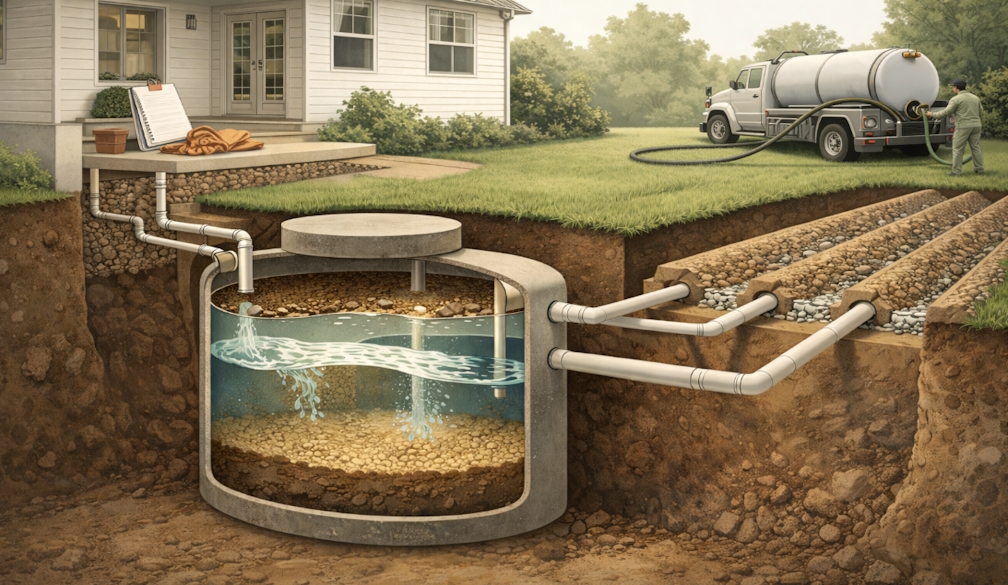
Septic tank maintenance is one of those tasks that feels easy to postpone because the system is out of sight. The catch is that septic tanks do not “use up” waste. They separate it. Solids accumulate over time, and the safest schedule is the one that removes buildup before it can escape the tank and affect the drainfield.
Instead of relying on a single rule like “every three years,” it helps to treat the timing as a risk decision. A household’s ideal interval depends on occupancy, water habits, and tank size. In that context, reputed septic tank cleaning is less about a magic frequency and more about consistent servicing based on measured sludge and scum levels.
What You’re Preventing When You Clean a Septic Tank
Inside the tank, waste separates into layers:
- Scum (oils and floaters) rises to the top
- Sludge (heavier solids) settles at the bottom
- Effluent (the middle layer) flows out to the drainfield
Bacteria break down some organics, but they do not eliminate everything. As sludge and scum thicken, the tank has less effective space to hold and separate waste. Eventually, solids can carry over into the outlet and reach the drainfield, where they clog soil and pipes. Drainfield repairs tend to be far more disruptive and costly than routine tank servicing.
The Four Biggest Factors That Change Your Ideal Interval
A “risk-based” schedule comes from understanding what makes buildup faster or slower.
1) Household size and daily use
More people means more wastewater and more solids. A home that goes from two occupants to five will usually need shorter intervals.
2) Tank capacity
A larger tank can store more sludge and scum before reaching a risky threshold. A smaller tank reaches that threshold sooner, even if the household is careful.
3) Water habits
High water flow pushes material through the tank more quickly and can stir up layers. Frequent long showers, heavy laundry routines, and high-use fixtures can shorten intervals.
4) What goes down the drain
Grease, wipes, sanitary products, and excessive food waste increase solids and can interfere with separation. Homes using a garbage disposal often accumulate sludge faster.
A Simple Risk Framework You Can Actually Use
If you want a practical way to decide whether you should lean shorter or longer on the schedule, use this rough framework:
- Higher-risk households: large families, frequent guests, smaller tanks, heavy laundry, garbage disposal use, or any history of backups
- Usually benefit from shorter intervals and more frequent checks.
- Lower-risk households: fewer occupants, larger tank, consistent water use, careful drain habits, and good records
- May safely use longer intervals, especially if inspections confirm low buildup.
The point is not to hit a specific year count. It is to avoid crossing the “solids carryover” line.
What a Sensible Baseline Schedule Looks Like
Even without exact tank specs, most homeowners can start with a baseline and adjust using inspections.
A reasonable approach:
- If you have no maintenance history, start with an inspection soon and set an interval from what is observed.
- If your household has changed (new residents, lifestyle shifts, renovations), assume your old schedule may be outdated.
- If you are unsure, err toward earlier servicing rather than later, because early action is usually cheaper and simpler.
Inspections that measure sludge and scum depth are what turn a guess into a plan. Once you have one or two data points, your schedule becomes much easier to manage.
Warning Signs That Your Interval Is Too Long
Sometimes the system tells you the schedule is slipping before it becomes an emergency. Take these seriously, especially when more than one appears:
- Slow drains across multiple fixtures
- Gurgling sounds after flushing or running water
- Persistent odors indoors or around the tank area
- Wet or spongy patches over the drainfield
- Toilets backing up or fluctuating water levels
These can have multiple causes, but they are strong signals that the system needs attention now, not later.
Habits That Reduce Risk Between Services
Cleaning schedules work best when paired with everyday practices that protect separation inside the tank and reduce overload.
- Keep fats, oils, and grease out of sinks and drains
- Avoid flushing wipes or hygiene products, even if labeled flushable
- Spread laundry across the week rather than doing many loads in one day
- Fix leaks quickly, since constant trickles add up
- Keep vehicles and heavy structures off the drainfield area
These habits do not replace servicing. They simply slow down the conditions that force earlier intervention.
When to Be Extra Cautious
Some situations justify a more conservative schedule even if you are careful:
- You are on a property with an older system
- The drainfield area has poor drainage or frequent saturation
- You have experienced backups before
- You are preparing to sell or buy a home and need clear records
In those cases, a measured, documented maintenance approach is a practical form of risk management.