

How Weather Conditions Can Impact Your Home’s Structure and Comfort
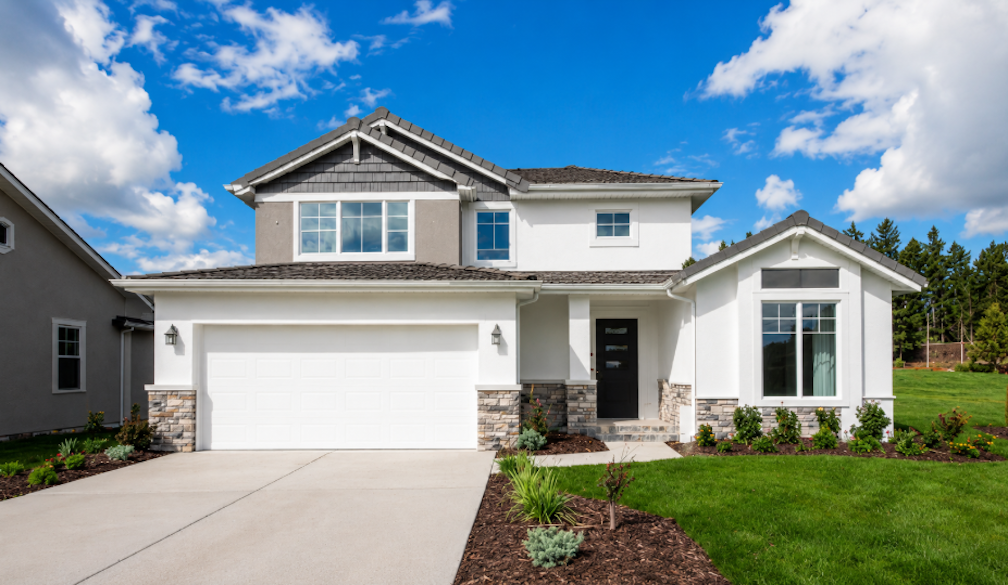
Weather conditions play an important role in the condition of Australian homes. Changes in temperature, rainfall, humidity, and strong winds can affect building materials, indoor comfort, and long-term maintenance needs.
While modern homes are designed to handle local weather conditions, regular exposure to harsh elements can still create problems over time. Small issues caused by weather may develop slowly and become more noticeable when they affect walls, roofs, flooring, or indoor air quality.
Understanding how weather impacts your home allows you to take practical steps to reduce damage. Simple maintenance tasks, seasonal checks, and early repairs can help protect your property and improve everyday comfort.
How Heat and Sun Exposure Affect Your Home
Australian summers can bring high temperatures and strong sunlight, which can place pressure on different parts of a property. Continuous exposure to heat and ultraviolet rays can affect materials used throughout the home.
Roofing materials, exterior paint, timber features, and outdoor surfaces may experience gradual wear when exposed to intense sunlight. Over time, this can lead to fading, cracking, or reduced performance.
Heat can also affect indoor comfort. Poor insulation, limited ventilation, and direct sunlight entering through windows can increase indoor temperatures. This may make rooms feel uncomfortable and increase reliance on cooling systems.
Homeowners can reduce heat-related problems by:
- Checking roof conditions regularly.
- Maintaining insulation in roof spaces.
- Using blinds or curtains during peak sunlight hours.
- Improving airflow throughout the home.
- Choosing suitable outdoor materials.
Regular maintenance helps identify early signs of heat damage before they become larger repair concerns.
Rainfall and Moisture-Related Damage
Rain is essential for the environment, but heavy rainfall can create challenges for homes. Water damage often occurs when drainage systems, roofing, or external areas are not maintained properly.
Blocked gutters and downpipes can prevent water from moving away from the property. When water overflows or collects near walls and foundations, it may create moisture issues inside the home.
Common signs of rain-related damage include:
- Damp patches on walls or ceilings.
- Water stains.
- Peeling paint.
- Swollen timber.
- Musty smells in enclosed areas.
Moisture problems should be addressed quickly because ongoing exposure can affect building materials. Repairing a leaking roof or improving drainage early may prevent more expensive repairs later.
Homeowners should inspect gutters, roofs, and outdoor drainage points before periods of heavy rain. These checks are especially useful after storms or extended wet weather.
Humidity and Its Effect on Homes
Humidity levels can influence both the comfort of a home and the condition of its internal spaces. When moisture remains trapped indoors, it can affect surfaces, air quality, and certain building materials.
Bathrooms, kitchens, laundries, and storage areas often experience higher moisture levels because of daily activities such as cooking, washing, and showering.
Poor ventilation may contribute to:
- Condensation on windows.
- Damp areas.
- Mould growth.
- Unpleasant indoor smells.
- Damage to paint and surfaces.
Improving airflow is one of the simplest ways to manage indoor humidity. Using exhaust fans, opening windows when suitable, and allowing fresh air to circulate can help reduce moisture build-up.
Humidity can also influence pest activity. Warm and damp conditions may create suitable environments for some insects and other pests. Maintaining dry areas around the home and reducing entry points can help minimise these risks.
In homes with ongoing moisture issues, it can also be useful to conduct pest inspection in Melbourne as part of routine property maintenance. This can help identify signs of pest activity in damp areas, roof spaces, wall cavities, or other locations that are difficult to check during everyday cleaning.
Storms and Strong Winds
Severe weather events can place significant pressure on a property. Strong winds, storms, and heavy rainfall can damage external areas and expose existing weaknesses.
Roof tiles may become loose, branches can fall onto structures, and outdoor items may cause damage during strong winds. Even small damage to roofing or exterior surfaces can allow water to enter during later rainfall.
Before storm seasons, homeowners can take practical precautions such as:
- Removing damaged tree branches.
- Securing outdoor furniture.
- Checking roof conditions.
- Cleaning gutters and drains.
- Inspecting fences and outdoor structures.
After major storms, it is useful to check the property carefully. Some damage may not be immediately obvious but can become worse over time.
Cold Weather and Seasonal Changes
Although many parts of Australia experience mild winters, colder conditions can still affect homes. Temperature changes can cause some materials to expand and contract, which may contribute to small cracks or movement over time.
Cold weather can also increase condensation inside homes. When warm indoor air meets cold surfaces, moisture can form on windows and walls.
This issue is more common in areas with poor ventilation or limited airflow.
Homeowners can improve winter comfort by:
- Checking window and door seals.
- Improving insulation.
- Managing indoor moisture.
- Allowing airflow between rooms.
Maintaining a balance between warmth and ventilation helps create a more comfortable indoor environment.
Weather Conditions and Pest Risks
Weather changes can influence pest activity around residential properties. Different pests may become more active during certain seasons depending on temperature, moisture levels, and food sources.
For example, warmer conditions may increase insect activity around gardens and outdoor areas. Wet weather can create damp conditions that attract pests seeking shelter and moisture.
Homeowners can reduce these risks by:
- Keeping gardens maintained.
- Removing excess water around outdoor areas.
- Sealing gaps around doors and windows.
- Keeping storage spaces clean.
Regular property checks can help identify possible issues before they become difficult to manage. For homeowners wanting to understand potential risks, general pest control services can provide advice and suitable treatment options based on the property conditions.
Hidden Damage Caused by Changing Conditions
Weather-related damage is not always immediately visible. Some problems develop slowly behind walls, under floors, or in roof spaces.
For example, repeated moisture exposure can weaken timber over time. Small roof leaks may continue unnoticed until water stains appear indoors. Changes in outdoor conditions may also increase the chance of pest activity around a property.
Termites are one example of a hidden risk affected by environmental conditions. Moist areas, garden beds close to buildings, and damaged timber can create conditions where termite activity becomes more likely.
A termite inspection in Melbourne can help homeowners identify possible termite risks and check areas that may not be visible during normal household inspections.
Preparing Your Home for Seasonal Weather
Every home benefits from regular seasonal maintenance. Preparing before extreme weather arrives can reduce the chance of unexpected damage.
A practical seasonal routine may include:
- Cleaning gutters and drainage areas.
- Checking external walls and roofing.
- Inspecting outdoor timber.
- Maintaining gardens around the property.
- Looking for signs of leaks or moisture.
These simple steps help homeowners stay aware of changes around the property.
It is also important to understand that every home has different needs. A coastal property may face different challenges compared with a home in an inland area. Building materials, age, location, and surrounding conditions all influence how weather affects a property.
Conclusion
Weather conditions are a natural part of life in Australia, but they can influence the structure, comfort, and maintenance needs of a home. Heat, rain, humidity, wind, and seasonal changes can all create problems when small issues are left unmanaged.
Regular inspections, simple maintenance habits, and early repairs can help protect your property over time. By understanding how weather affects your home, you can make better decisions and maintain a safer, more comfortable living environment throughout the year.
