

Why Purple and Violet-Veined Marble Is Gaining Ground in Luxury Interiors
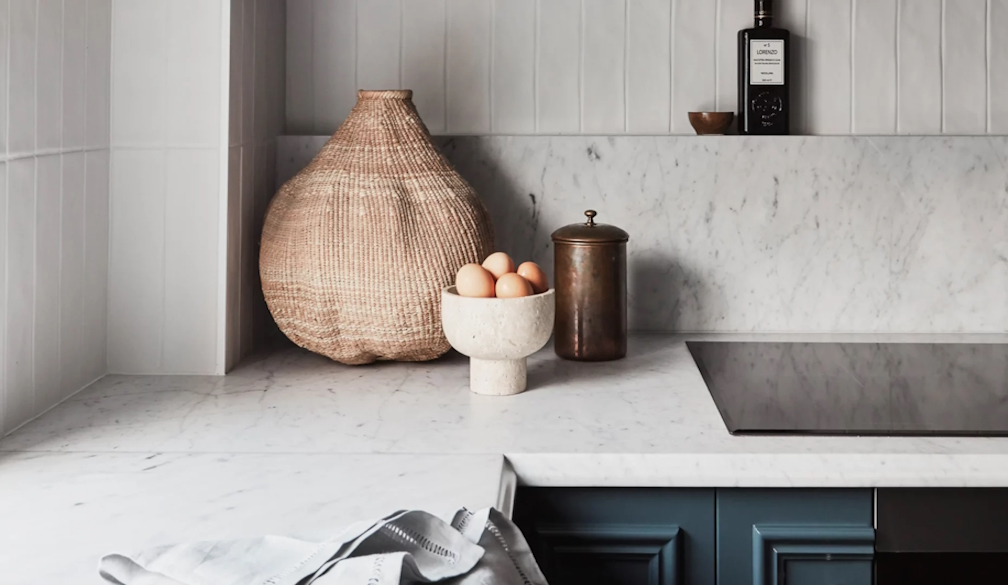
For most of the past decade, the dominant direction in stone benchtops and interior surfaces was white marble with grey or gold veining. Calacatta, Carrara, and Statuario became shorthand for luxury, and their restrained, elegant palette felt like the natural conclusion of the contemporary kitchen aesthetic. That period is not over, but something alongside it has been built.
Purple and violet-veined marble has moved from a niche curiosity to a genuinely prominent material in high-end residential and commercial interior projects. Stones like Calacatta Viola marble sit at the centre of this shift, combining the familiar quality of a Calacatta base with veining colour that sets the material apart from anything in the conventional palette. Understanding why this has happened, and what makes violet-veined stone work in a space, is useful for anyone planning an interior where stone is meant to do more than look clean.
The Shift Away from Safe Choices
The appetite for stone with colour has grown in direct response to the years of white-dominant interiors. A generation of homeowners who renovated in the 2010s chose white marble because it felt safe, broadly appealing, and unlikely to date. Many of them still love the result. But as those interiors became ubiquitous, a countermovement emerged around distinctiveness and commitment.
Choosing a stone with purple veining is not a safe decision in the conventional sense. It is a material that announces itself and takes a position. That is part of its appeal. Interiors that feature violet-veined marble are unmistakably intentional. There is no version of that choice that reads as indecisive or neutral.
This kind of visual commitment appeals strongly to the current generation of interior design clients, who are less interested in broadly appealing spaces than in spaces that feel genuinely particular to them.
What Makes Violet Veining Distinctive as a Stone Characteristic
The purple and violet tones in certain marbles come from the presence of different minerals within the stone, most commonly manganese oxides and iron compounds that interact with the calcium carbonate of the marble under pressure over long periods. The result is veining that ranges from a soft lavender through deep mauve to a rich burgundy-violet, depending on the specific mineral composition of the quarry.
Unlike grey or gold veining, which tends to recede into the background of white or cream marble, violet veining advances. It reads as warm despite being technically in the cool part of the spectrum, and it creates a visual tension within the stone that grey veining rarely achieves. This is partly what makes it so compelling in a finished interior: it holds your attention in a way that more conventional veining does not.
The combination of a familiar premium base stone with an unexpected vein colour is precisely what makes it effective: it reads as familiar in its quality but genuinely surprising in its character.
How Violet-Veined Marble Works in Real Interiors
The most common concern with a stone this distinctive is whether it will overpower the room or make the interior difficult to furnish around. In practice, this concern is usually exaggerated.
Violet and purple veining in marble is almost always embedded in a white or cream background, which means the stone reads as predominantly light at a distance. The colour only fully reveals itself up close or when the lighting catches the surface at a certain angle. This gives the material an interesting quality in an interior: it can be restrained and airy when experienced from across a room, and rich and detailed when you are standing at the bench.
It pairs naturally with a range of cabinetry colours. Pale grey and warm white cabinetry allows the veining to be the clear focal point. Deep navy or charcoal cabinetry creates a stronger contrast with the white ground of the stone while the violet veining holds a surprising warmth against the cool cabinet colour. Brushed brass and antique bronze fixtures pair particularly well with violet-veined stone because the warmth of the metal echoes the warmth in the veining.
Where It Works Best in a Home
Violet-veined marble has found a particularly strong footing in a handful of specific applications. Kitchen islands are the most prominent: a single large slab across a freestanding island gives the stone room to express itself without covering every surface in the room. The result is a feature that grounds the entire kitchen without overwhelming the rest of the layout.
Bathroom vanity tops are another strong application. The scale of a bathroom is usually more intimate than a kitchen, and a smaller slab of dramatic stone works extremely well in that context. The vanity becomes a jewel-like detail within a neutral bathroom, which is a very different approach from trying to build the whole room around a dramatic material.
Feature walls in living areas and hallways are a more recent application, driven by the increased availability of large-format stone panels. A single slab of violet-veined marble installed as a wall panel in an entry hall makes a remarkable first impression.
Frequently Asked Questions
Is violet-veined marble difficult to find in Australia? It was relatively scarce a few years ago, but availability has improved significantly as demand has grown. Specialist stone suppliers now stock multiple varieties of violet and purple-veined marble, including both Italian quarry stones and alternatives from other producing regions.
Will a stone with violet veining look dated quickly? Any distinctive material carries some risk of looking dated eventually, but the cyclical nature of interior design trends tends to rehabilitate materials after a period of absence rather than permanently consigning them. More relevantly, a stone chosen for a private home does not need to appeal to anyone other than the person living in it. A kitchen that is genuinely loved by its owner holds up far better than one chosen for perceived resale neutrality.
How do you incorporate violet-veined marble without committing to it everywhere? Using it on a single surface, such as a kitchen island or a bathroom vanity top, is the most comfortable way in. It allows you to experience the material in your space without it becoming the defining feature of every room. Most people who take this approach find they enjoy the material far more than they expected and wish they had been bolder.
Does the violet tone shift under different lighting conditions? Yes. Stone with mineral-based colour responds to light in interesting ways. Under warm artificial light, violet veining tends to read more as brown-purple or mauve. Under natural cool light it shifts toward a truer violet. This variability is part of the appeal, not a drawback, but it is worth viewing a sample under both lighting conditions before committing.
What maintenance does violet-veined marble require compared to standard white marble? The maintenance requirements are the same as any marble: regular sealing, pH-neutral cleaners, and prompt attention to acidic spills. The veining colour itself does not change the porosity or maintenance needs of the stone.
