

Steam vs Dry Carpet Cleaning: Which Suits Adelaide Homes?
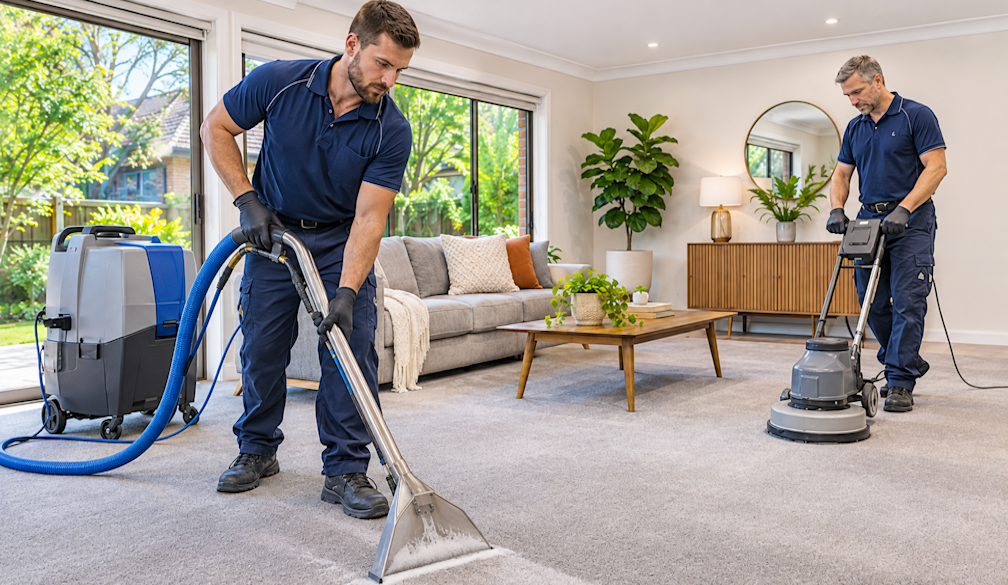
Most carpets in Adelaide homes get two kinds of attention: regular vacuuming, and an occasional deep clean that someone has to pick a method for. That second choice is where people get stuck, because "steam" and "dry" cleaning are often marketed as if one is simply better than the other. In practice, they do different jobs and suit different carpets. Much of the carpet cleaning Adelaide homeowners book uses hot water extraction, the method the industry usually calls steam cleaning, while some providers focus on low-moisture systems. Knowing what each method actually does to your carpet makes the decision much easier.
What "Steam Cleaning" Actually Means
Despite the name, professional steam cleaning rarely uses steam. The proper term is hot water extraction. A technician first sprays a pre-treatment that loosens oily soil, then injects hot water through a wand into the pile and immediately sucks it back out with a powerful vacuum.
The key word is extraction. The process flushes the fibres, so grit, body oils, pollen, and leftover detergent leave with the dirty water rather than staying in the carpet. Van-mounted machines generally produce more heat and suction than portable units, which helps both cleaning and drying.
Hire machines from the supermarket work on the same principle but with far weaker suction. That is why DIY attempts often leave carpet soggy, slow to dry, and sticky with detergent that attracts new dirt.
How Dry Carpet Cleaning Works
"Dry" cleaning is better described as low-moisture cleaning. It covers a few different systems:
- Absorbent compound: a damp powder containing solvents is brushed into the carpet, absorbs soil, and is vacuumed out.
- Encapsulation: a cleaning solution dries into brittle crystals that trap dirt, which is removed by later vacuuming.
- Bonnet or pad cleaning: a rotating pad soaked in solution scrubs the surface of the pile.
The obvious advantage is speed. Carpet is usually walkable within an hour or so, which suits offices, shops, and homes where rooms cannot be cleared for long.
The trade-off is depth. These methods mainly treat the upper part of the pile. The 1995 edition of the Australian carpet maintenance standard described absorbent methods as surface cleaning, partly because they do not minimise the residue left behind. Aggressive bonnet work can also distort or fuzz cut pile over time.
Comparing the Two on What Matters
Depth of clean. Hot water extraction reaches further into the pile and rinses out more soil and residue. Low-moisture methods are better seen as maintenance between deep cleans.
Drying time. Low-moisture wins clearly. Extraction-cleaned carpet typically needs anywhere from a few hours to most of a day, depending on airflow and weather. Adelaide's hot, dry summers help, while cool, damp winter days slow things down. Running fans or reverse-cycle air conditioning shortens the wait.
Carpet type. Fibre matters more than many people realise:
- Nylon and polyester handle hot water extraction well.
- Wool cleans well with extraction but is sensitive to excessive heat and harsh, high-pH chemicals. Some Australian wool carpet care guides advise against shampooing, DIY steam cleaning, and dry cleaning, and recommend professional extraction instead.
- Sisal, seagrass, and jute can shrink, brown, or warp when wet, so they generally need dry or very low-moisture methods only.
Cost and disruption. Prices vary by provider, but low-moisture cleaning is often quicker per room. Extraction usually means moving lighter furniture and keeping traffic off the carpet until it dries.
What the Australian Standard and Warranties Say
The Carpet Institute of Australia supports AS/NZS 3733:2018, the standard for cleaning residential and commercial carpet. Its maintenance summary suggests a professional deep clean every 12 to 18 months for homes, or as the manufacturer specifies, and notes that hot water extraction is the most common method for that deep clean.
The Institute also points out that most carpet warranties call for recommended maintenance and often reference this standard. Before choosing a method, check your warranty documents. If they specify extraction at set intervals, a low-moisture clean alone may not satisfy those terms. Keep receipts that show the date and method used.
Matching the Method to Your Home
Rather than asking which method is best overall, ask what your carpet and household need right now.
Hot water extraction usually makes more sense if you have pets, young children, or allergy sufferers, if the carpet looks dull and greyed in traffic lanes, or if it has not been deep cleaned in over a year. Spring is a sensible time in Adelaide, after a winter of tracked-in mud and before the summer dust arrives.
Low-moisture cleaning suits busy commercial spaces, quick freshen-ups between deep cleans, and natural plant-fibre floor coverings that cannot tolerate water.
Whichever method you choose, a few habits improve the result:
- Vacuum thoroughly beforehand, since dry soil is easier to remove before anything gets wet.
- Avoid over-wetting with hire machines. Several slow drying passes work better than one soaking pass.
- Use less detergent than you think you need, because leftover residue causes rapid resoiling.
- Stay off damp carpet, or wear clean socks, to avoid transferring dirt and dye from shoe soles.
Before booking anyone, ask what method they will use for your fibre type, whether they pre-vacuum, how they rinse out cleaning agents, and how long drying is likely to take in current conditions. Clear answers to those four questions tell you more than any marketing label.
