

Your complete guide to understanding industrial roofing repair services.
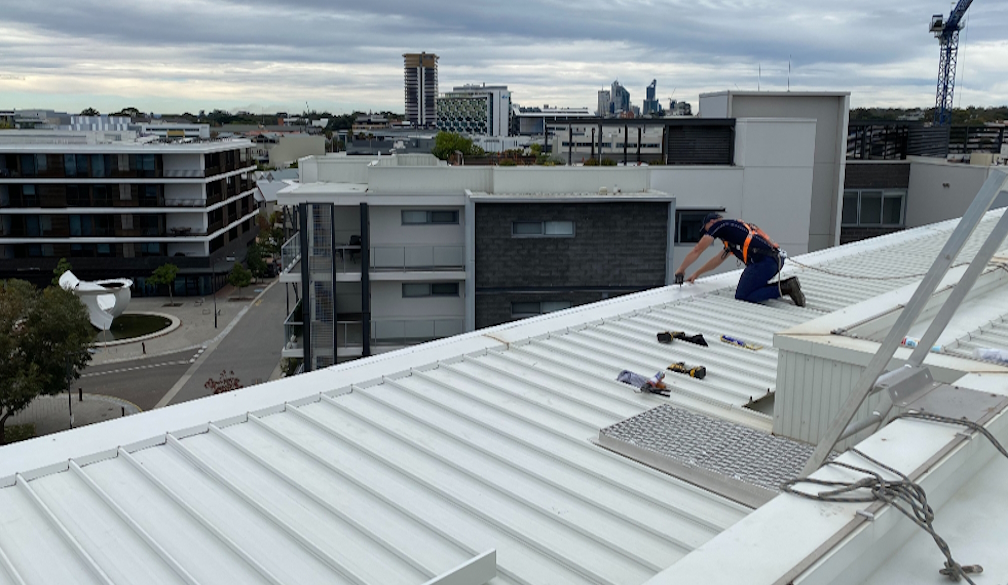
Industrial properties are significant investments, and maintaining their structural integrity is paramount for smooth operations and asset protection. The roof, often overlooked until a problem arises, serves as the primary shield against the elements. When issues emerge, understanding the nuances of professional industrial roofing repair services becomes crucial for business owners and facility managers alike. This comprehensive guide will walk you through everything you need to know about keeping your industrial roof in top condition. Learn more about professional industrial roofing repair services.
From identifying common problems to selecting the right experts, we will cover the essential aspects of roof maintenance and repair. Neglecting minor issues can quickly escalate into costly structural damage, operational downtime, and potential safety hazards. Proactive engagement with experienced professionals ensures longevity and efficiency for your commercial premises, safeguarding your valuable assets and ongoing business activities.
Why industrial roofing demands specialised attention
Industrial roofs face a unique set of challenges that differentiate them from residential or standard commercial roofs. These structures are typically much larger, covering vast expanses that are exposed to a wider range of environmental stressors and operational demands. Understanding these distinctions is key to effective repair and maintenance.
Size and Complexity: Industrial roofs are often sprawling, covering thousands or even hundreds of thousands of square feet. This vastness, combined with complex geometries, numerous penetrations for HVAC systems, vents, skylights, and heavy equipment, creates an intricate landscape. Each penetration and change in plane represents a potential point of failure, making comprehensive inspection and repair significantly more challenging than on a smaller, simpler roof. The sheer scale also means that minor issues, if left unattended, can rapidly propagate across large areas, leading to extensive and costly damage.
Material Variety and Specialised Techniques: The industrial sector employs a diverse array of roofing materials, each with unique properties, installation requirements, and repair methodologies. From single-ply membranes like TPO, EPDM, and PVC to robust metal roofing systems, built-up roofs (BUR), and modified bitumen, each material demands specific expertise. A repair technique suitable for a TPO membrane might be entirely ineffective or even detrimental to a metal roof. Professional industrial roofing repair services possess the specialised knowledge and equipment necessary to accurately diagnose issues and apply the correct repair solutions for each specific material type, ensuring long-lasting results.
Heavy Loads and Operational Stress: Unlike many commercial buildings, industrial roofs frequently bear substantial loads from rooftop machinery such as large HVAC units, exhaust systems, cooling towers, and sometimes even solar panel arrays or green roof installations. The constant vibrations, heat output, and sheer weight from these installations can accelerate wear and tear, create stress points, and lead to unique structural challenges. Furthermore, the operational activities within the facility, such as chemical processing or manufacturing, can expose the roof to corrosive fumes, extreme temperatures, or vibrations that further degrade materials over time. Repairs must account for these ongoing operational stresses.
Environmental Extremes and Exposure: Industrial facilities are often located in areas prone to severe weather conditions, including high winds, heavy rainfall, significant snow loads, extreme temperature fluctuations, and intense UV radiation. The structural integrity of industrial roofs must withstand these constant assaults. Repairs must not only fix the immediate problem but also enhance the roof's resilience against future environmental stressors, often requiring high-performance materials and robust application techniques.
Minimising Operational Disruption and Safety: Downtime in an industrial facility can translate into substantial financial losses. Therefore, roofing repairs must often be conducted with minimal disruption to ongoing operations, sometimes requiring work outside regular business hours or in carefully managed stages. Safety protocols are also paramount due to the scale, height, and nature of industrial sites, which may involve working around active machinery, hazardous materials, or complex utility systems. Experienced industrial roofing contractors prioritise safety for their crew and your personnel, adhering to stringent industry standards and site-specific regulations.
Regulatory Compliance and Building Codes: Industrial facilities are subject to a complex web of building codes, environmental regulations, and safety standards. Roofing repairs must not only restore functionality but also comply with these stringent requirements. This often involves specific material choices, installation methods, permits, and inspections, adding another layer of complexity that only specialised professionals can navigate effectively.
Common Types of Industrial Roofing Materials and Their Specific Repair Needs
Understanding the common roofing materials used in industrial settings is fundamental to grasping their unique repair challenges. Each type has distinct characteristics, vulnerabilities, and preferred repair methods.
Single-Ply Membranes (TPO, EPDM, PVC): These lightweight, flexible membranes are popular for their durability and ease of installation.
- TPO (Thermoplastic Polyolefin): Known for heat reflectivity and resistance to UV and chemical exposure. Common repairs involve heat welding patches over punctures or tears, sealing failing seams, and addressing membrane shrinkage or delamination.
- EPDM (Ethylene Propylene Diene Monomer): A synthetic rubber membrane prized for its flexibility and resistance to weathering. Repairs typically use adhesive-backed patches, liquid sealants, or heat-applied seaming tapes to fix tears, punctures, and seam failures.
- PVC (Polyvinyl Chloride): Offers excellent resistance to chemicals, grease, and fire. Repairs, similar to TPO, often involve heat welding new membrane sections or liquid PVC coatings to address cracks, punctures, or seam separation.
Metal Roofing: Durable and long-lasting, metal roofs can be susceptible to corrosion, fastener issues, and damage from impact. Repairs often include replacing individual panels, sealing rusted areas, tightening or replacing loose fasteners, and applying specialised coatings to prevent further corrosion and leaks at seams or penetrations.
Built-Up Roofs (BUR): Comprising multiple layers of asphalt or coal tar pitch interspersed with reinforcing plies of fabric, BUR systems are robust. Repairs usually involve cutting out damaged sections, drying the substrate, and applying new layers of felt and bitumen, often topped with a new gravel or coating layer. Blistering, cracking, and water ponding are common issues.
Modified Bitumen (Mod-Bit): A modern evolution of BUR, Mod-Bit roofs use asphalt modified with polymers for increased flexibility and strength. Repairs often involve torch-applying or cold-applying patches of similar material, addressing membrane separation, blistering, or delamination, particularly at seams and flashing details.
Identifying Common Industrial Roofing Problems
Early detection of roofing issues is paramount to preventing minor problems from escalating into major, costly repairs. Facility managers should be vigilant for these common indicators:
- Leaks and Water Intrusion: Obvious signs include water stains on ceilings, dripping water, or standing water inside the facility. These can originate from cracks, punctures, failed flashing, or compromised seams.
- Ponding Water: Areas where water collects on the roof for more than 48 hours after rainfall indicate poor drainage or structural deflection, leading to accelerated membrane degradation and potential leaks.
- Cracks, Punctures, and Tears: Visible damage to the roofing membrane can be caused by foot traffic, falling debris, severe weather, or equipment installation. These breaches directly compromise the roof's waterproof integrity.
- Flashing Failures: Flashing around vents, skylights, parapet walls, and equipment curbs is a common source of leaks. Look for cracked, deteriorated, or dislodged flashing materials.
- Membrane Blistering, Bubbling, or Delamination: These indicate trapped moisture or adhesion issues within or beneath the membrane, weakening its structure and leading to eventual ruptures.
- Drainage Issues: Clogged drains, scuppers, or gutters prevent proper water runoff, leading to ponding and overburdening the roof structure.
- Age-Related Wear and Tear: Over time, UV radiation, thermal expansion and contraction, and general weathering cause materials to degrade, becoming brittle, cracked, or worn thin.
- HVAC and Equipment Damage: Leaks or damage can originate from the base of rooftop units due to vibrations, improper installation, or deteriorated sealants around penetrations.
The Importance of Regular Inspections and Preventative Maintenance
Implementing a proactive approach through regular inspections and preventative maintenance is the most effective strategy for extending the life of your industrial roof and avoiding unexpected, expensive repairs. A robust maintenance plan can significantly reduce the total cost of ownership over the roof's lifespan.
Early Detection and Cost Savings: Regular inspections by qualified professionals can identify subtle issues - such as hairline cracks, minor seam separations, or early signs of corrosion - before they develop into critical problems. Addressing these small defects promptly is far less expensive than repairing extensive water damage, structural decay, or requiring a full roof replacement.
Extended Roof Lifespan: Just like any major asset, consistent care helps an industrial roof achieve and often exceed its expected lifespan. Preventative measures, such as clearing debris from drains, re-sealing minor cracks, and applying protective coatings, mitigate the effects of weathering and operational stress, preserving the roof's integrity for years.
What an Inspection Entails: A comprehensive industrial roof inspection goes beyond a simple visual check. It typically involves:
- Visual Assessment: A detailed examination of the entire roof surface, including membranes, flashing, drains, skylights, and rooftop equipment for any signs of damage or wear.
- Infrared Thermography: Using thermal imaging to detect trapped moisture beneath the membrane, which is invisible to the naked eye and indicates potential leaks or insulation degradation.
- Core Samples: In some cases, small core samples may be taken to assess the layers of the roof system, determine moisture content, and evaluate the condition of insulation and decking.
- Drainage System Check: Ensuring all gutters, scuppers, and internal drains are clear of debris and functioning correctly.
- Detailed Reporting: A professional report outlining findings, recommended repairs, and photographic evidence.
Preventative Maintenance Measures: Beyond inspections, ongoing maintenance includes:
- Routine cleaning to remove debris, leaves, and dirt that can clog drains or promote organic growth.
- Clearing vegetation and preventing root intrusion.
- Minor repairs like re-sealing small cracks or tightening loose fasteners.
- Applying protective coatings or sealants to high-wear areas or as part of a restoration strategy.
When to Call in the Experts: Choosing the Right Industrial Roofing Repair Service
When an issue arises, or it's time for preventative maintenance, selecting the right industrial roofing repair service is critical. This decision can impact the longevity of your roof, the safety of your facility, and your budget.
Specialisation and Experience: Look for contractors who specifically specialise in industrial roofing. Their experience with large-scale projects, diverse materials, and complex operational environments is invaluable. Ask about their track record with similar facilities and materials.
Certifications and Training: Ensure the company and its technicians are properly certified by leading material manufacturers. This indicates they are trained in the latest installation and repair techniques for specific roofing systems, which is crucial for warranty compliance and effective repairs.
Insurance and Licensing: Verify that the contractor is fully licensed and insured, including liability insurance and worker's compensation. This protects your business from potential financial liabilities in case of accidents or damage during the repair process.
Safety Record and Protocols: In an industrial setting, safety is non-negotiable. Inquire about their safety program, training, and incident rates. A reputable contractor will have a strong commitment to safety, adhering to OSHA regulations and site-specific safety plans.
References and Reputation: Request references from other industrial clients. A company with a solid reputation for quality workmanship, reliability, and customer service is a strong candidate. Online reviews and industry affiliations can also provide insights.
Comprehensive Quotations and Warranties: A professional service will provide a detailed, transparent quotation outlining the scope of work, materials to be used, timelines, and costs. They should also offer clear warranties on both materials and workmanship, providing peace of mind for your investment.
The Repair Process: A typical professional repair process involves a thorough initial assessment, a detailed proposal, scheduling with minimal disruption, expert execution of repairs using high-quality materials, and a final inspection to ensure the work meets standards. Post-repair follow-up and maintenance recommendations are also a hallmark of excellent service.
Maintaining the integrity of your industrial roof is a critical component of asset protection and operational continuity. Industrial roofs face unique challenges that demand specialised attention, from their vast size and material diversity to the heavy loads and environmental extremes they endure. By understanding common roofing materials, diligently identifying potential problems, and committing to regular inspections and preventative maintenance, facility managers can significantly extend the lifespan of their roofs and avoid costly emergency repairs.
Partnering with a reputable, experienced industrial roofing repair service is not just an expense; it's a strategic investment. Choosing experts who understand the complexities of industrial environments, adhere to stringent safety standards, and provide guaranteed workmanship ensures your valuable assets remain protected, and your business operations run smoothly for years to come. Proactive care and professional expertise are the cornerstones of a resilient industrial roof.