


Visiting a Sacred Site? Here’s How to Be Respectful
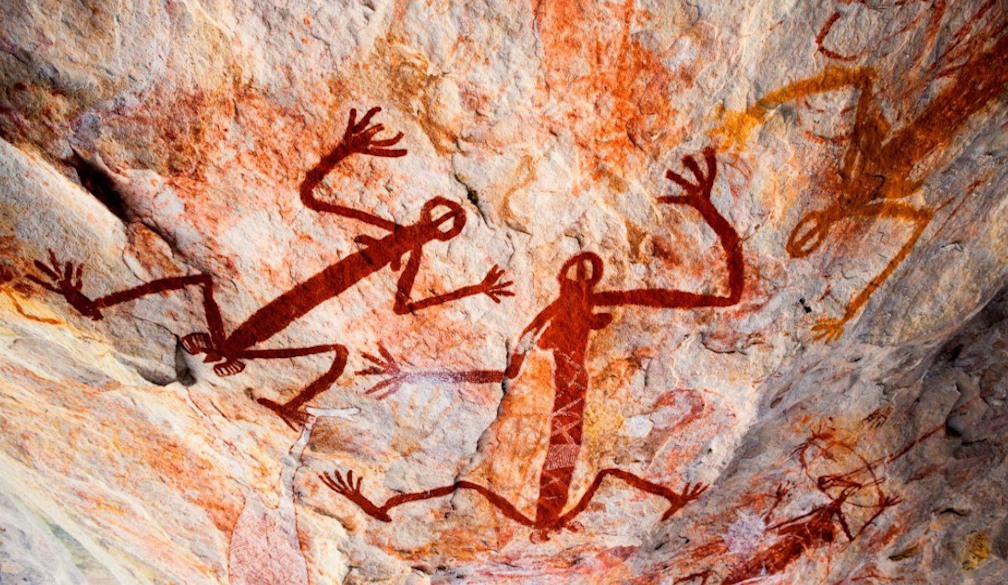
There’s a lot to love about travelling off-road, but we often hear nomads discuss their love of visiting sacred sites. The Northern Territory alone is thought to be home to tens of thousands of Aboriginal artefacts.
Maybe you have visions of visiting Baiame Cave in New South Wales, nestled in the foothills of the Great Dividing Range, or ideas of visiting Murujuga in Western Australia, home to one of the world’s largest Aboriginal rock art collections. The area is home to approximately one million petroglyphs that were carved over a span of 50,000 years.
If you’re interested in visiting sacred sites on your off-road travels, we have some helpful hints to help you stay respectful on your journeys.
Research Your Visit
We treat others the way we would like to be treated, and while that can be a helpful approach to many things in life, we should aim to treat others the way they would like to be treated. This is always the case with sacred sites.
The best way to visit a sacred site respectfully is to research each location individually to learn about the traditional owners and their cultural heritage. You may find a wealth of resources on their website to ensure your visit is respectful. In some cases, you should ask the elders for permission to enter and strictly follow the rules for which paths to take and which areas to avoid.
Whatever you do, leave no trace.
It’s a sacred site, and it’s everyone’s responsibility. Don’t have a picnic and leave rubbish behind. If it was on you when you walked in, it should be on you when you walk out. Likewise, you shouldn’t take anything with you when you leave. Don’t take a stone or a stick as a reminder of your visit. In some cultures, this alone would carry the risk of poor health or karma.
If you see what you believe is an Aboriginal artefact, leave it where it is and take a photo. Send it, along with the geolocation, to your local Aboriginal Corporation for further investigation.
The Visit
When you are at the site, try to sit in the stillness of the moment and acknowledge that the site could be more than 50,000 years old. It has its oral histories; it has its traditions, and it has seen the passage of countless people over the course of its existence. You are at the scene of untold cultural practices and stories, and it can be a humbling experience.
Are you travelling off road and planning your next route? The Aboriginal Areas Protection Authority can help you travel respectfully.