

Understanding The Role Of Heat Exchangers In Industrial Efficiency
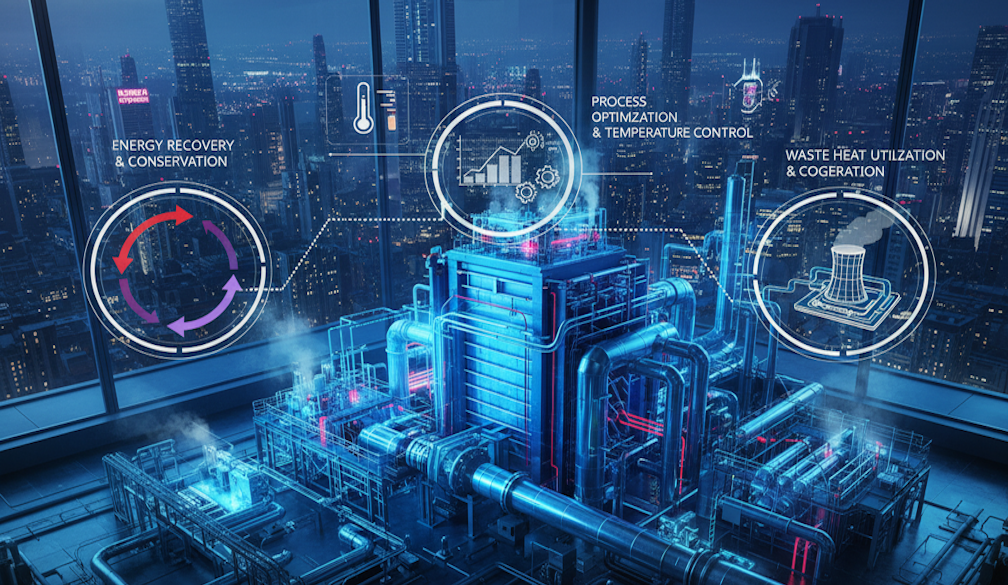
Industrial systems rely heavily on temperature control to ensure processes run safely, efficiently, and consistently. From food processing to chemical manufacturing, managing heat transfer is essential for maintaining product quality and protecting equipment. A heat exchanger plays a crucial role in transferring heat between fluids without allowing them to mix, helping industries regulate temperatures while conserving energy.
Heat exchangers are widely used in many industrial sectors because they improve thermal efficiency and reduce operational costs. By transferring heat from one medium to another, these systems allow industries to reuse thermal energy that would otherwise be wasted. This not only saves energy but also supports sustainable industrial operations.
How Heat Exchangers Work
A heat exchanger functions by transferring heat between two fluids that are separated by a solid surface. One fluid may be hot while the other is cooler, allowing heat to move naturally from the warmer substance to the cooler one. This process occurs without the fluids mixing, ensuring safety and maintaining the integrity of each medium.
Inside a typical heat exchanger, pipes or plates create a large surface area where heat transfer occurs. The design allows heat to move efficiently from one side to the other while maintaining controlled flow paths. The effectiveness of a heat exchanger depends on factors such as surface area, flow rate, and temperature difference between the fluids.
This method of heat transfer helps industries maintain precise temperature conditions that are essential for many production processes.
Types Of Heat Exchangers Used In Industry
There are several types of heat exchangers designed for different industrial applications. One of the most common is the shell and tube heat exchanger. In this design, one fluid flows through tubes while another flows around them within a surrounding shell. This arrangement allows efficient heat transfer and is widely used in chemical plants and power generation facilities.
Plate heat exchangers are another popular option. These systems consist of multiple thin plates stacked together, creating channels for fluid flow. The design provides a large heat transfer surface area within a compact space, making it ideal for industries that require efficient thermal performance.
Air-cooled heat exchangers are also used in situations where water availability is limited. Instead of water, these systems use air to cool fluids, making them suitable for outdoor or remote industrial environments.
Each type of heat exchanger is designed to meet specific operational requirements depending on the industry and application.
Applications Across Various Industries
Heat exchangers are essential in numerous industrial sectors because many processes depend on precise temperature control. In the food and beverage industry, heat exchangers are commonly used in pasteurisation processes where liquids such as milk or juice must be heated and cooled rapidly to eliminate harmful microorganisms.
Chemical manufacturing also relies heavily on heat exchangers to regulate reaction temperatures. Maintaining the correct temperature ensures chemical reactions occur safely and produce consistent results.
In the energy sector, heat exchangers are used in power plants to transfer heat from steam or hot gases into cooling systems. This process helps generate electricity efficiently while preventing equipment overheating.
Heating and cooling systems in large commercial buildings also use heat exchangers to regulate indoor temperatures, demonstrating their versatility across many applications.
Improving Energy Efficiency In Industrial Systems
Energy consumption is a major concern for modern industries. Efficient thermal management can significantly reduce operational costs and environmental impact. Heat exchangers help achieve this by recovering heat that would otherwise be lost during production processes.
For example, hot exhaust gases from industrial operations can transfer their heat to incoming fluids that require heating. This process reduces the need for additional fuel or energy sources. By reusing thermal energy, industries can operate more efficiently while reducing overall energy consumption.
Improving energy efficiency also contributes to sustainability goals. Many industries are now focusing on reducing carbon emissions, and efficient heat exchange systems play a role in achieving these targets.
Maintenance And Longevity Of Heat Exchangers
Like any industrial equipment, heat exchangers require proper maintenance to ensure long-term performance. Over time, deposits such as scale, dirt, or chemical residue can accumulate on heat transfer surfaces. These deposits reduce efficiency and may cause operational issues if not addressed.
Regular cleaning and inspection help maintain optimal performance. Industrial maintenance teams often use specialised cleaning techniques to remove buildup from internal surfaces without damaging the equipment.
Monitoring fluid flow, pressure levels, and temperature performance also helps identify potential issues early. Preventive maintenance ensures the heat exchanger continues operating efficiently and reduces the risk of unexpected downtime.
Well-maintained heat exchangers can operate reliably for many years, making them a valuable long-term investment for industrial facilities.
Design Considerations For Industrial Heat Exchange Systems
Selecting the right heat exchanger requires careful evaluation of several factors. Engineers consider fluid properties, operating temperatures, pressure levels, and flow rates when designing these systems.
The materials used in construction are also important. Certain industrial processes involve corrosive fluids or high temperatures that require specialised materials such as stainless steel or other corrosion-resistant alloys.
Space availability within the facility can influence design choices as well. Compact plate heat exchangers may be preferred when space is limited, while larger shell and tube systems may be used in heavy industrial environments.
Customised designs ensure the heat exchanger operates efficiently within the specific conditions of each industrial process.
Conclusion
Heat exchangers are essential components in many industrial systems where temperature control and energy efficiency are critical. By transferring heat between fluids without mixing them, these systems help regulate processes, improve energy utilisation, and protect equipment from overheating. With proper design and maintenance, heat exchangers provide reliable performance and long-term value across a wide range of industries.