

How Environmental Law and Technology Are Reshaping the Construction Industry
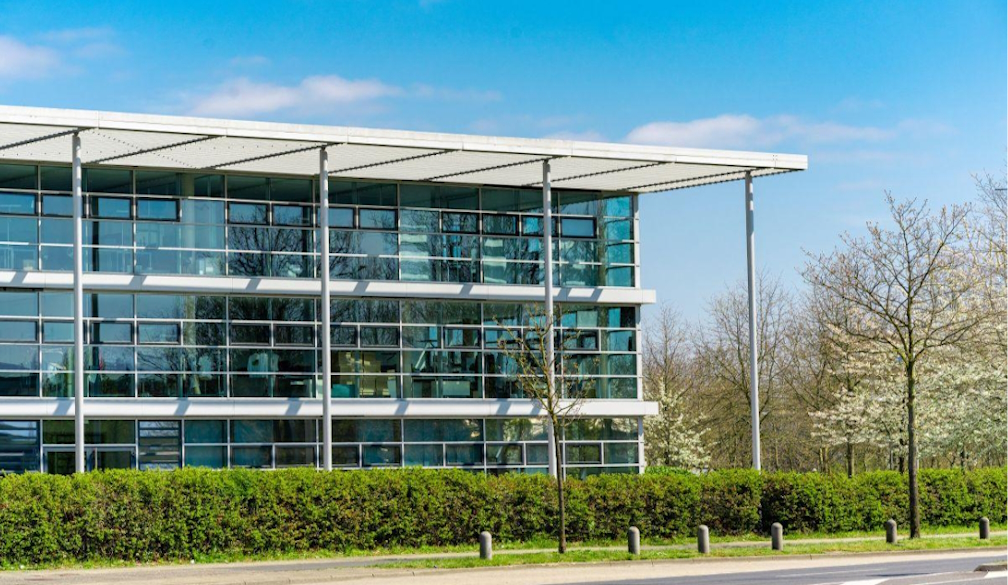
As governments, businesses and communities place greater emphasis on environmental sustainability, the construction industry is undergoing significant change. Strict environmental laws combined with advances in green technology are forcing developers and contractors to rethink how buildings are designed and constructed. From mandatory green roofs to eco-friendly materials, these changes are not only reshaping the buildings themselves but also the skills required across construction trades to complete them.
Sustainability in Planning and Construction
One of the most significant regulatory trends affecting the construction industry globally is the increasing requirement for new developments to include a percentage of greenspace. By adding more vegetation to cities through green roofs, vertical gardens, and open tree-planted areas, not only can it help to reduce urban heat, but it can also improve stormwater management, increase biodiversity and improve air quality. In short, more greenspace means healthier living and workspaces for residents and workers. An extreme, yet impressive example of this is the Bosco Verticale high-rise residential towers in Milan that incorporates 800 trees and thousands of shrubs planted directed onto the building’s balconies.
The One Central Park in Sydney, also known as the world’s largest vertical garden, is an excellent example of how green technology and sustainability concerns are shaping modern developments. In addition to the ample greenspace, it also features a cantilevered heliostat used for reflecting light back down to the gardens and atrium below, a low carbon tri generation power plant to provide energy, heating and cooling for the 3000 residents and an internal water recycling plant.
Sustainability in Materials
Sustainability is also influencing the materials used in construction and finishing trades. For example, traditional paint and protective coatings often contain volatile organic compounds (VOCs), which can contribute to air pollution and poor indoor air quality. As environmental standards tighten, many commercial and industrial painters are switching to low-VOC and environmentally responsible paints that minimise harmful emissions, demonstrating how even specialised trades are having to adapt to meet new environmental expectations.
Environmental regulations don’t only apply to commercial buildings. Many countries have introduced sustainability requirements for residential builds too, with new homes required to meet stricter energy efficiency standards. This means that construction careers across the board, both commercial and residential, are being reshaped as builders and contractors are required to constantly update their knowledge to stay abreast of changes in sustainable materials, environmental compliance and green infrastructure systems. Increasingly there are voluntary recycling schemes implemented for construction materials (for example plumbing and electrical) diverting waste from landfill. Changes in the construction industry have also given rise to new career paths that were barely heard of just a decade ago, such as environmental engineering, sustainability consulting and green roof installation.
As environmental awareness grows worldwide, the construction industry is evolving to ensure that it is working with natural systems rather than against them. So, not only are environmental regulations and green technology changing the way buildings look and function, but they are also reshaping how the entire construction industry operates.
AJ Cochrane & Sons has been painting Perth homes and businesses for over 90 years and is now proudly run by the third and fourth generations of the family. As registered Master Painters, they have been repeatedly recognised by the Master Painters and Decorators Australia WA Association through their Awards of Excellence since 1981. AJ Cochrane continues to deliver high quality craftsmanship and trusted service across Perth and surrounding suburbs.