

How an I/O Controller Improves Industrial Automation and System Performance
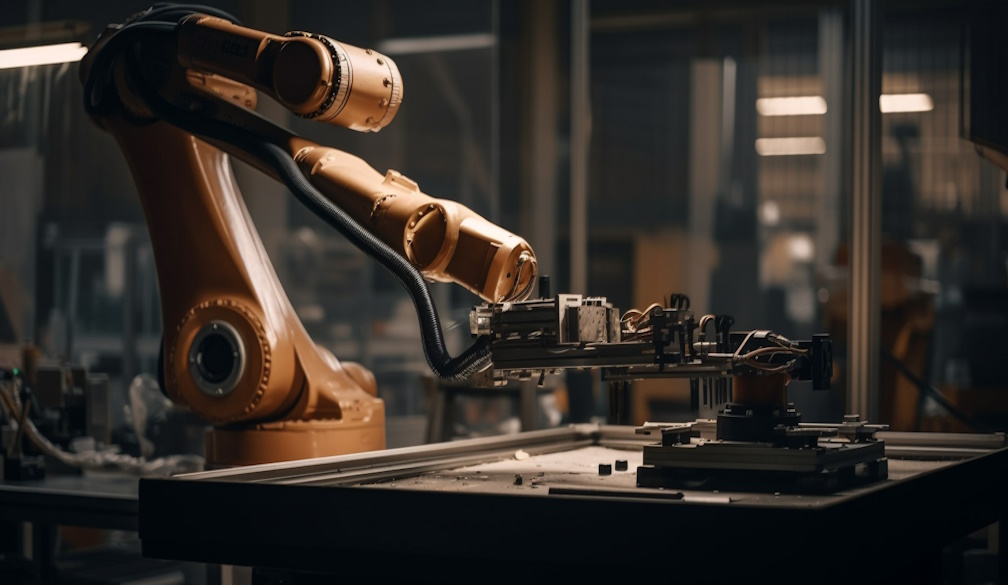
An advanced I/O controller plays a critical role in modern industrial automation by enabling efficient communication between machinery, sensors, actuators, and control systems. As manufacturing facilities, processing plants, and industrial operations continue to adopt smarter technologies, reliable control and data exchange have become essential for maintaining productivity and operational efficiency. I/O controllers help bridge the gap between field devices and automation systems, ensuring information is transmitted accurately and actions are executed without delay.
Industrial environments rely on thousands of signals generated by equipment throughout daily operations. These signals must be monitored, processed, and acted upon in real time. An effective I/O controller helps manage this flow of information while supporting accurate decision-making and improved process control.
Understanding the Function of an I/O Controller
An input/output controller serves as the communication interface between devices operating in the field and the central control system. Inputs gather information from sensors, switches, and monitoring equipment, while outputs send commands to motors, valves, actuators, and other operational devices.
This continuous exchange of information allows industrial systems to respond automatically to changing conditions. By processing signals quickly and accurately, I/O controllers contribute to smoother operations and greater system reliability.
Their role is particularly important in environments where precision and real-time responsiveness are required.
Supporting Modern Industrial Automation
Automation has become a key driver of productivity across many industries. Manufacturing plants, mining operations, energy facilities, and processing sites increasingly depend on automated systems to improve efficiency and reduce manual intervention.
I/O controllers support these automation strategies by ensuring that field devices communicate effectively with programmable logic controllers, supervisory systems, and other control platforms.
The ability to integrate multiple devices into a coordinated network helps organisations optimise workflows and achieve greater operational consistency.
Enhancing Real-Time Monitoring Capabilities
One of the major benefits of industrial automation is the ability to monitor operations continuously. Sensors installed throughout a facility collect valuable information related to temperature, pressure, flow rates, machine performance, and other operational variables.
I/O controllers gather this information and transmit it to control systems where it can be analysed and acted upon. Real-time monitoring enables operators to identify issues quickly, improve decision-making, and respond proactively to changing conditions.
Access to accurate operational data supports both productivity and system reliability.
Improving Process Efficiency
Industrial facilities are constantly seeking ways to improve efficiency while maintaining quality and safety standards. Effective communication between equipment and control systems is essential for achieving these objectives.
An I/O controller helps ensure that instructions are delivered accurately and without delay. This allows automated systems to perform tasks consistently while reducing the risk of operational errors.
Improved communication contributes to smoother production processes, reduced downtime, and better overall performance.
Supporting Flexible System Expansion
As businesses grow and operational requirements evolve, automation systems often need to expand. Additional machinery, sensors, and control devices may be introduced to support new production demands.
Modern I/O controllers are designed to accommodate these changes by providing scalable solutions that integrate easily with existing infrastructure. This flexibility allows organisations to expand their systems without requiring extensive redesigns.
Scalable automation architecture helps businesses adapt more efficiently to future growth opportunities.
Reducing Downtime Through Better Control
Equipment downtime can have a significant impact on productivity and operating costs. Unplanned interruptions often result in lost production, increased maintenance expenses, and scheduling challenges.
I/O controllers contribute to reliability by supporting accurate monitoring and rapid system response. When issues arise, automated systems can detect abnormalities and trigger alerts or corrective actions before major disruptions occur.
This proactive approach helps minimise downtime and improves overall equipment effectiveness.
Integration With Advanced Industrial Technologies
The industrial sector is increasingly adopting technologies such as Industrial Internet of Things (IIoT) platforms, smart sensors, and advanced data analytics. Effective communication between these technologies requires dependable control infrastructure.
I/O controllers serve as an important component within connected industrial environments by facilitating data exchange between devices and higher-level systems. Their ability to support integration contributes to improved visibility and more informed operational decisions.
As digital transformation continues, the importance of reliable communication systems will only increase.
The Importance of Reliability in Industrial Environments
Industrial facilities often operate around the clock in environments where equipment is exposed to vibration, temperature fluctuations, dust, moisture, and other challenging conditions.
I/O controllers used in these settings must provide dependable performance despite these operational demands. Reliable hardware helps maintain communication integrity while supporting continuous system operation.
Investing in quality automation components can reduce maintenance requirements and improve long-term system stability.
Preparing for the Future of Automation
The future of industrial automation will continue to focus on greater connectivity, enhanced efficiency, and more intelligent decision-making capabilities. Automation systems are becoming increasingly sophisticated as organisations seek to optimise operations and improve competitiveness.
I/O controllers will remain a fundamental part of this evolution by enabling seamless communication between equipment and control systems. Their ability to support data-driven operations makes them a valuable component of modern industrial infrastructure.
Businesses that invest in advanced automation technologies are often better positioned to adapt to changing industry requirements.
Conclusion
Industrial automation depends on accurate communication and reliable control systems to achieve efficient, safe, and productive operations. I/O controllers play a vital role by connecting field devices with central control platforms and enabling real-time information exchange. Their contribution to monitoring, automation, system integration, and operational reliability makes them an essential component in modern industrial environments.
For organisations looking to improve efficiency and support future growth, implementing reliable I/O controller solutions can provide significant long-term operational benefits.