

How a Heat Exchanger Improves Efficiency in Industrial Processing
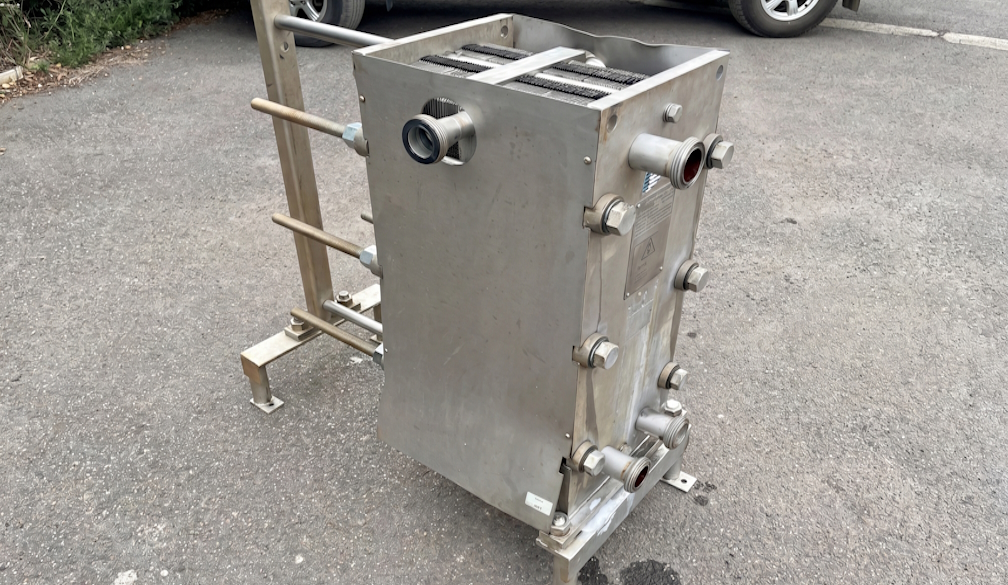
A reliable heat exchanger is one of the most important pieces of equipment used across manufacturing, food processing, chemical production, energy generation, and industrial operations. Heat exchangers are designed to transfer thermal energy between fluids without allowing them to mix, helping businesses maintain precise temperature control while improving operational efficiency. Their ability to optimise energy use and support consistent production processes makes them an essential component in modern industrial facilities.
As industries continue to focus on efficiency, sustainability, and cost control, heat exchangers play a significant role in reducing energy consumption and improving system performance. Their versatility allows them to be used in a wide variety of applications where heating or cooling is required.
Understanding How Heat Exchangers Work
Heat exchangers operate by transferring heat from one fluid to another through a conductive surface. One fluid may require cooling while the other requires heating, allowing thermal energy to be reused efficiently.
Because the fluids remain separated, product quality and process integrity are maintained throughout the operation. This controlled transfer of heat helps optimise production while reducing the amount of energy required to achieve desired temperatures.
The ability to recover and reuse thermal energy is one of the key advantages of heat exchanger technology.
Why Temperature Control Is Important
Many industrial processes depend on accurate temperature management. Small variations in temperature can affect product quality, equipment performance, and production efficiency.
Heat exchangers help maintain stable operating conditions by controlling heat transfer within a process. This consistency supports reliable production outcomes and reduces the likelihood of quality issues.
Accurate temperature control is particularly important in industries where product specifications must be maintained within strict tolerances.
Applications in Food Processing
Food manufacturing facilities frequently rely on heat exchangers for heating, cooling, pasteurisation, and temperature regulation processes. Consistent thermal control helps maintain product quality while supporting food safety requirements.
Many liquid products require precise heating and cooling cycles during production. Heat exchangers help achieve these conditions efficiently while minimising energy waste.
Their contribution to process consistency makes them a valuable asset in food processing operations.
Supporting Energy Efficiency
Energy costs represent a significant operational expense for many industrial businesses. Heat exchangers help improve energy efficiency by recovering and reusing thermal energy that might otherwise be wasted.
Rather than generating new heat for every stage of production, systems can transfer existing thermal energy where it is needed. This reduces overall energy consumption and supports more sustainable operations.
Improved efficiency often results in lower operating costs and better environmental performance.
Enhancing Industrial Productivity
Reliable temperature control contributes directly to productivity. Equipment that operates within its optimal temperature range tends to perform more efficiently and consistently.
Heat exchangers help maintain these conditions by supporting continuous and controlled heat transfer. This allows production processes to operate smoothly while reducing interruptions caused by temperature-related issues.
Consistent performance helps businesses achieve production targets more effectively.
Protecting Equipment and Systems
Excessive heat can place stress on machinery and industrial systems, potentially leading to reduced performance or premature wear. Heat exchangers help manage thermal loads and maintain stable operating conditions.
By controlling temperatures effectively, these systems contribute to improved equipment reliability and reduced maintenance requirements. Protecting valuable assets can help organisations achieve greater long-term value from their investments.
Reliable equipment performance is a key factor in maintaining operational continuity.
The Importance of Proper System Selection
Different industrial applications require different heat exchanger designs. Factors such as fluid type, temperature range, pressure conditions, and flow rates all influence equipment selection.
Choosing a heat exchanger that aligns with operational requirements helps maximise performance and efficiency. Proper sizing and design also contribute to lower maintenance needs and improved system reliability.
Working with experienced suppliers can help businesses identify the most appropriate solution for their specific processes.
Maintenance and Long-Term Performance
Routine maintenance is essential for ensuring heat exchangers continue operating efficiently. Over time, deposits, scaling, and contamination can affect heat transfer performance.
Regular inspections and cleaning help maintain efficiency while reducing the risk of unexpected failures. Preventive maintenance also contributes to longer equipment lifespan and more consistent process outcomes.
A proactive maintenance approach helps protect both productivity and operational investments.
The Future of Heat Exchange Technology
Advancements in engineering and manufacturing continue to improve heat exchanger performance. Modern designs focus on increasing efficiency, reducing energy consumption, and supporting more sustainable industrial practices.
New materials and technologies are helping create systems that offer improved heat transfer capabilities while minimising maintenance requirements. These innovations are expected to play an increasingly important role as industries pursue greater operational efficiency.
Businesses that adopt advanced thermal management solutions are often better positioned to remain competitive.
Conclusion
Heat exchangers are a fundamental part of many industrial processes, providing efficient temperature control, improved energy management, and reliable operational performance. Their ability to transfer heat effectively supports productivity, reduces energy costs, and helps maintain consistent product quality across a wide range of industries.
For businesses seeking to improve process efficiency and optimise thermal management, investing in a quality heat exchanger can deliver significant long-term operational and financial benefits.