

How a Heat Exchanger Supports Efficient Industrial Processing
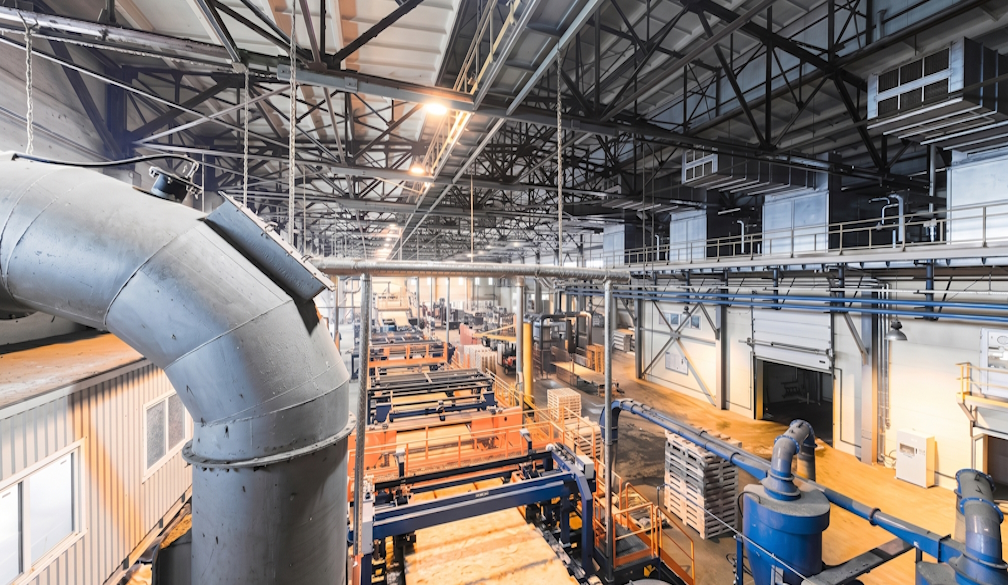
Industrial processing often requires precise temperature control to maintain product quality, improve efficiency and support consistent production. A heat exchanger is an important piece of equipment used to transfer heat between fluids without necessarily mixing them. These systems are widely used across processing environments where heating or cooling needs to be carefully controlled. F.A. Maker supplies industrial processing equipment and solutions for businesses requiring reliable equipment for demanding applications.
What Is a Heat Exchanger?
A heat exchanger transfers thermal energy from one fluid to another through a separating surface. One fluid provides heat while the other receives it, allowing temperatures to be adjusted as required by the process.
The fluids may include liquids, gases or other process media depending on the equipment and application. The design of a heat exchanger can vary according to factors such as operating temperature, pressure, flow rate and the characteristics of the materials being processed.
Because the fluids remain separated during heat transfer, the equipment can provide controlled temperature management while supporting the requirements of the wider processing system.
Why Temperature Control Matters
Temperature can have a significant influence on industrial processes. Products may need to be heated to a specific temperature before further processing, while other materials may require cooling before storage or packaging.
A suitable heat exchanger can help provide controlled heat transfer within these processes. Maintaining consistent temperatures can contribute to more predictable production conditions and reduce unnecessary fluctuations.
For processing businesses, this can be particularly important when product quality depends on maintaining specific temperature ranges throughout different stages of production.
Heat Exchangers in Processing Applications
Heat exchanger can be used in a variety of industrial processes where thermal energy needs to be transferred efficiently. The appropriate equipment depends on the process requirements and the characteristics of the fluids involved.
In food and beverage processing, for example, temperature control can form an important part of production. Heat transfer equipment may work alongside other processing systems to prepare products for subsequent stages.
The same basic principle can also apply to other industrial environments where heating or cooling is required. The system needs to be selected according to the operating conditions rather than treated as a one-size-fits-all solution.
Factors to Consider When Selecting Equipment
Several factors should be considered before selecting a heat exchanger. Flow rates, inlet and outlet temperatures, operating pressure and the properties of the fluids can all affect equipment requirements.
The available installation space is another consideration. Businesses should assess how the equipment will fit into the existing processing system and how it will be accessed for inspection or maintenance.
The intended duty of the equipment should also be clearly understood. A system designed for continuous industrial production may have different requirements from equipment used intermittently.
Supporting Consistent Production
Consistency is important in many industrial processes. Changes in temperature can affect processing times, product characteristics and downstream operations.
A properly selected heat exchanger can help maintain the required thermal conditions as part of an integrated processing system. Consistent heat transfer can make it easier for operators to manage production parameters and maintain repeatable processes.
However, equipment performance depends on correct sizing, installation and maintenance. The heat transfer system should be matched to the actual operating conditions rather than selected solely according to general specifications.
Maintenance and System Performance
Like other industrial equipment, heat exchangers require appropriate maintenance to support reliable operation. Deposits, contamination and other operating factors can affect heat transfer performance over time.
Regular inspection can help identify changes in performance and determine whether cleaning or servicing may be required. Maintenance requirements depend on the equipment design and the materials passing through the system.
Monitoring operating temperatures and other relevant parameters can also help operators identify changes that may warrant further investigation.
F.A. Maker supplies industrial processing equipment for businesses with specialised operational requirements. When selecting heat transfer equipment, businesses should consider fluid characteristics, temperature requirements, pressure, flow rates, installation conditions and maintenance needs.
