

How Hard Chrome Plating Supports Durable Industrial Components
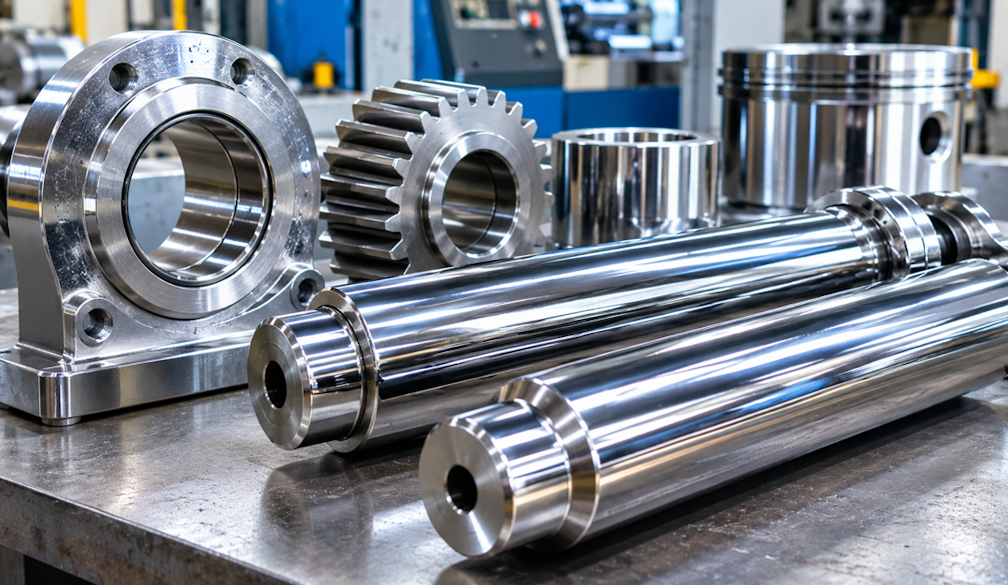
Hard chrome plating is used where metal components need a surface that can withstand demanding operating conditions. The process deposits a layer of chromium onto a prepared part, helping improve surface hardness and wear resistance. For equipment that experiences repeated movement, friction or contact with abrasive materials, choosing an appropriate coating can contribute to dependable performance and longer service life. Australian Surface Technologies (AST) can help clarify the treatment scope and information needed for the component assessment.
When assessing hard chrome plating, it is important to consider the component’s material, dimensions, operating environment and required finish. These factors influence preparation, coating thickness and the checks needed after treatment. A clear understanding of the part’s purpose helps ensure the plating specification addresses practical requirements rather than relying on a general-purpose approach.
Understanding the Purpose of Hard Chrome Plating
Industrial parts can lose accuracy or function as their surfaces wear. Hard chrome plating can help protect selected components by providing a hard surface with useful wear characteristics. It may be considered for shafts, rollers, hydraulic components, tooling and other parts where dimensional stability and surface condition matter. Suitability depends on the design and the conditions the component will encounter in service.
The coating is only one part of the result. The base material, existing damage, surface preparation and final finishing all affect performance. Before work begins, it is useful to identify critical dimensions, tolerances and the areas that require treatment. This information supports a specification that can be checked against the component’s intended application.
Why Preparation and Specification Matter
Reliable results start with an accurate assessment of the component. Cleaning removes contaminants that could interfere with adhesion, while inspection can identify wear, corrosion, cracks or other issues that may need attention. Where a part has been damaged in service, its condition should be reviewed before deciding whether plating alone is an appropriate repair route.
The required coating thickness should be selected with the part’s dimensions and final use in mind. In some applications, the plated surface may need grinding or polishing to achieve a particular size or finish. Confirming these details early helps avoid unnecessary rework and gives everyone involved a shared understanding of the required outcome.
For components exposed to repeated contact, hard chrome plating can be considered as part of a suitable maintenance plan.
Applications Across Industrial Equipment
Hard chrome coatings are commonly considered for components that experience sliding contact, friction or repeated wear. Examples can include hydraulic rods, industrial rollers, shafts, dies and selected machine parts. Each application has different requirements, so the treatment should be matched to operating loads, movement, exposure and maintenance conditions.
For replacement and maintenance planning, a component’s operating history can provide useful context. Details such as recurring wear patterns, scoring or changes in surface dimensions may help inform the assessment. Where a part is used in a safety-critical system, the specification and inspection process should follow the applicable engineering and quality requirements.
For projects requiring a considered assessment, Australian Surface Technologies (AST) can review the component’s intended use and treatment requirements. hard chrome plating should be specified with the required dimensions and finishing work in mind, rather than treated as a one-size-fits-all coating.
Inspection, Finishing and Ongoing Care
After coating, inspection helps confirm that the component meets the agreed requirements. Depending on the job, checks may include coating thickness, surface finish, dimensions and visual condition. Finishing operations can be important where parts must fit closely with seals, bearings or other mating surfaces. Records of measurements and treatment details can also support future maintenance decisions.
Once installed, sensible operating practices remain important. Correct lubrication, suitable alignment and routine inspections can help identify issues before they develop into larger failures. Plating does not remove the need to monitor the whole system, and any maintenance plan should reflect the component’s workload and operating environment.
In maintenance planning, hard chrome plating should be assessed against the part’s actual operating conditions.
Choosing a Suitable Plating Service
Before arranging treatment, prepare the part’s drawings or measurements, material details, intended use and any known service problems. Explain the required finish, critical tolerances and whether the component needs restoration as well as coating. These details help the service provider assess feasibility and clarify what inspection or finishing steps may be required.
For a defined repair scope, hard chrome plating can be evaluated alongside inspection and finishing needs.
When discussing a job with Australian Surface Technologies, provide drawings, measurements and details of the working environment so the proposed treatment can be assessed against the component’s actual needs.
Matching the Treatment to the Job
A coating decision should be based on the job the component must perform, not on a generic assumption that every metal surface needs the same treatment. Consider whether the part moves against another surface, whether it carries a load, and whether its dimensions are essential to safe operation. These details help determine what information should be included in the work specification and what checks are needed when the component is returned.
It is also worth discussing the limits of the repair. Plating may be suitable for some worn surfaces, while other damage may require a different engineering solution. A clear assessment helps set realistic expectations and avoids treating the coating as a substitute for addressing the underlying cause of failure.
