

A Buyer's Guide to Cladding Profiles: Shiplap, Board and Batten, and Vertical Joint Explained
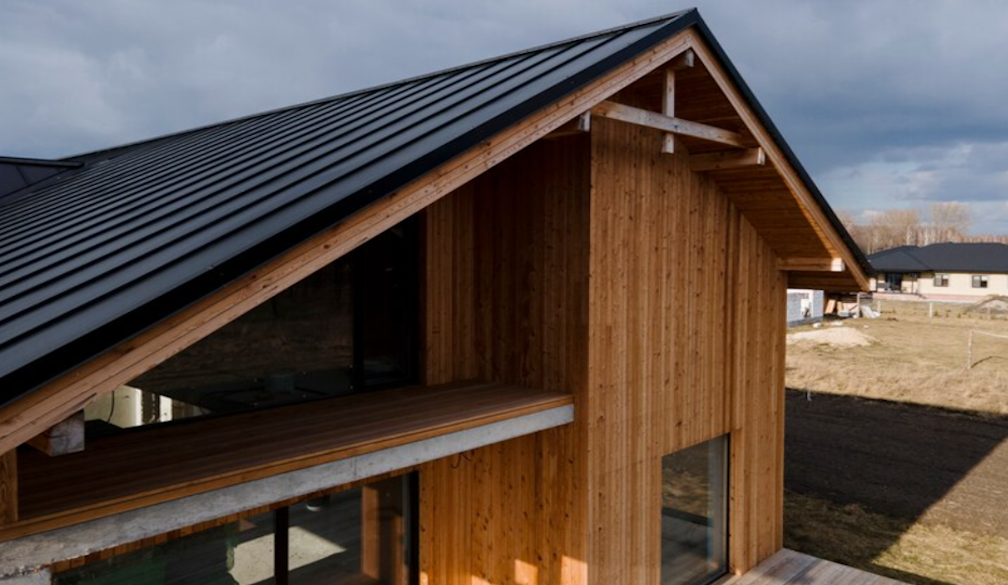
Walk through any new estate or renovated street these days and you will notice cladding doing a lot of the visual work. The shape of the boards, the direction they run, and the shadow lines they create all shape how a home reads from the street, often more than the colour chosen.
If you are trying to choose between profiles and the terminology is starting to blur together, this guide breaks down the three most common options in plain language, so you can choose with confidence rather than guesswork.
Why the Profile Matters as Much as the Material
It is easy to assume that choosing cladding is mostly about picking a material, timber, composite, or fibre cement, and worrying about the profile later. In practice, the profile shapes the entire character of your home's exterior. The same material installed as shiplap, board and batten, or vertical joint can produce three completely different looks, ranging from a traditional coastal cottage feel through to a sharp, contemporary façade.
Most Australian homes are built on timber frames, with cladding then attached to create the exterior finish once the frame, roof, windows, and doors are in place, as outlined by James Hardie. Since the cladding is essentially the final layer the world sees, getting the profile right has a real effect on how the finished home is perceived.
Shiplap: The Classic Overlap
Shiplap is one of the oldest and most recognisable cladding profiles, originally developed for its weather-tight qualities long before it became a design feature in its own right. Each board has a rabbet, or stepped edge, cut along its length, which allows it to overlap neatly with the board below or beside it. This overlap creates a continuous surface with a subtle horizontal or vertical shadow line, depending on how it is installed.
The main appeal of shiplap is its balance between classic appeal and practical performance. The overlapping joints shed water effectively, which makes it a reliable choice in areas with heavy rainfall, while the clean, repeating lines give homes a timeless, slightly traditional character.
Shiplap suits coastal cottages and Hamptons-style homes particularly well, though modern, concealed-fix versions have made it a popular choice for more contemporary builds too, especially when installed vertically.
Board and Batten: Depth and Definition
Board and batten cladding uses wide vertical boards with narrower strips, or battens, fixed over the joints between them. This creates a distinct rhythm of wide and narrow sections across the façade, along with strong shadow lines that give the wall genuine depth rather than a flat surface.
This profile has long been associated with barns and rural buildings, but it has found a strong place in contemporary architecture as a feature element, often used to create contrast against a smoother cladding profile elsewhere on the same home. If you want a façade with texture and a sense of craftsmanship, board and batten delivers that more convincingly than most other profiles, particularly when used on a feature wall, gable end, or entry portico.
Vertical Joint: Clean Lines and Modern Height
Vertical joint cladding runs boards straight up the wall rather than across it, with a simple, even joint between each board. The result is a sleek, minimal look that draws the eye upward, which is part of why this profile has become so closely associated with modern Australian architecture over the past decade.
Beyond appearance, running boards vertically has a genuine practical benefit. Water sheds down the length of the board rather than pooling along horizontal joints, which can improve weather performance over time. Vertical joint cladding pairs particularly well with double-storey homes or designs with strong rooflines, since the vertical lines accentuate height and make the structure feel taller and more deliberate.
Castellated Cladding: A Distinct Variation Worth Knowing
Alongside these three core profiles, you will also come across castellated cladding, which features boards with a stepped, interlocking edge that creates a slightly raised, textured surface rather than a flat one.
This profile has become particularly popular for Brisbane castellated cladding projects, where its bold shadow lines suit the contemporary, often subtropical-style architecture common across the region. It offers a distinctive middle ground between the flat simplicity of vertical joint and the heavier texture of board and batten.
Choosing the Right Profile for Your Home
There is no single correct answer here, since the best profile depends on your home's style, your local climate, and the overall look you are trying to achieve. A traditional coastal home will generally suit shiplap or board and batten better than a sharp vertical joint, while a modern, minimalist build will often lean toward vertical joint or a castellated finish for its clean, contemporary lines.
It is also worth thinking about how the profile will perform in your specific location. Homes closer to the coast benefit from profiles that shed water efficiently and use corrosion-resistant fixings, while homes in more sheltered, inland areas have a little more flexibility to prioritise appearance over weather performance.
Where to See Profiles in Person Before You Decide
Photographs and product brochures can only tell you so much about how a cladding profile will actually look on a full-sized wall, in natural light, from a distance. Wherever possible, it is worth viewing physical samples or visiting completed homes that use the profile you are considering before committing to a decision.
If you are based in South-East Queensland, Gold Coast cladding supplies are widely available through showrooms where you can compare shiplap, board and batten, vertical joint, and castellated samples side by side.
The same applies further south, where Sydney cladding suppliers offer similar in-person comparisons suited to that region's climate and architectural styles. Working with highly-rated building materials suppliers in your area means you get access to proper samples, accurate technical advice, and guidance on which profile genuinely suits your home's exposure and design, rather than relying on guesswork from images alone.
Making a Confident Final Choice
Cladding profiles do more than decorate a home, they shape its entire character and influence how well it performs against the elements over time. Whether you are drawn to the classic overlap of shiplap, the textured depth of board and batten, the clean lines of vertical joint, or the bold detail of castellated cladding, understanding what each profile actually offers makes the decision far easier.
Take the time to view real samples, ask detailed questions about performance in your specific location, and let your home's overall style guide the final choice. A well-matched profile is one of the simplest ways to lift the entire look of a home, and getting it right from the start saves you from second-guessing the decision once the cladding is already on the wall.