

The Difference Between Standard, Moisture-Resistant, and Fire-Rated Plaster Sheets
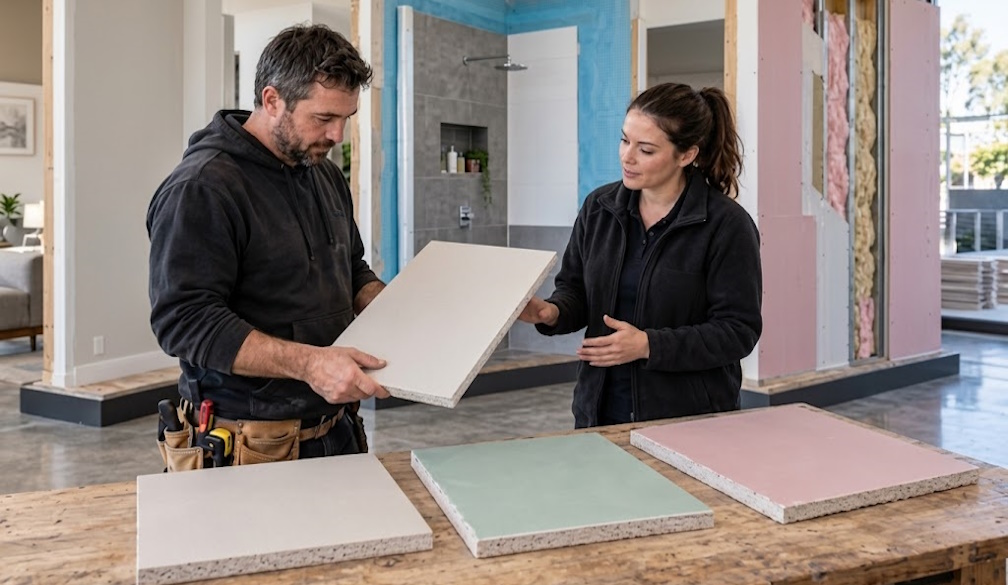
Plaster sheets are used throughout many residential and commercial interiors, but not every sheet is designed for the same conditions. The right choice depends on where the material will be installed, how the room is used, and whether moisture, heat, sound, or durability needs to be considered. In construction and renovation planning, plaster sheets Melbourne can vary by performance requirements, not just size, thickness, or price. Understanding the main differences between standard, moisture-resistant, and fire-rated plaster sheets helps avoid unsuitable material choices before walls and ceilings are finished.
What Standard Plaster Sheets Are Used For
Standard plaster sheets, often called regular plasterboard or drywall, are commonly used for internal walls and ceilings in dry areas. They provide a smooth surface that can be set, sanded, painted, or finished with other interior treatments.
These sheets are suitable for bedrooms, living rooms, hallways, studies, and other spaces that do not face regular moisture exposure or special fire-rating requirements. They are widely used because they are practical, easy to work with, and suitable for many general interior applications.
Standard plaster sheets are not designed for wet areas. If they are used in spaces with high humidity or water exposure, they may absorb moisture, soften, swell, or lose strength over time.
How Moisture-Resistant Plaster Sheets Differ
Moisture-resistant plaster sheets are made for areas where humidity or occasional moisture may be present. They are commonly used in bathrooms, laundries, kitchens, powder rooms, and other wet-adjacent spaces.
These sheets usually contain additives that help reduce water absorption compared with standard plasterboard. They may also have a treated core and moisture-resistant lining paper. This does not mean they are waterproof. Proper waterproofing membranes, sealants, ventilation, tiling systems, and installation methods are still important in wet areas.
Moisture-resistant sheets are best understood as part of a larger moisture-management system. They help improve performance in damp conditions, but they should not be treated as a replacement for correct waterproofing.
Where Fire-Rated Plaster Sheets Are Used
Fire-rated plaster sheets are designed to help resist the spread of fire for a specified period when installed as part of a tested wall or ceiling system. They are commonly used in garages, apartment buildings, shared walls, stairwells, service areas, commercial spaces, and other locations where fire separation may be required.
These sheets often have a denser core and reinforcing materials that improve fire resistance. The actual fire rating depends on the complete system, not the sheet alone. Framing, fasteners, joints, insulation, sealants, layers, and installation details all affect performance.
This means fire-rated plasterboard should be selected and installed according to the relevant building requirements. Using the right sheet is important, but the full system must also be constructed correctly.
Sheet Choice Depends on Room Conditions
The simplest way to compare plaster sheet types is to look at the conditions they are expected to handle. Standard sheets suit dry internal spaces. Moisture-resistant sheets suit areas where humidity or occasional moisture is likely. Fire-rated sheets suit locations where fire separation, safety requirements, or compliance conditions apply.
A renovation may involve more than one sheet type. A hallway might use standard plasterboard, a bathroom may need moisture-resistant sheets, and a garage wall next to a living area may require fire-rated material. Choosing one sheet type for every room can lead to performance issues if the building conditions are different.
Thickness and System Design Also Matter
Plaster sheets are available in different thicknesses, and thickness can affect strength, handling, sound control, fire performance, and ceiling suitability. Thicker sheets may be used where added rigidity or performance is required, while lighter sheets may be easier to handle in standard wall applications.
However, thickness alone does not determine whether a sheet is moisture-resistant or fire-rated. A standard thick sheet is not automatically suitable for wet areas or fire-rated systems. The product type, installation method, and system design all need to match the intended use.
Common Mistakes When Choosing Plaster Sheets
One common mistake is choosing plasterboard based only on cost. Standard sheets may be cheaper, but using them in damp areas can lead to damage and future repair work. Another mistake is assuming moisture-resistant sheets are fully waterproof, which can create problems in showers, laundries, and tiled areas if waterproofing is poor.
Fire-rated plasterboard is also sometimes misunderstood. A fire-rated sheet does not create a compliant fire-rated wall by itself. The surrounding system must be designed and installed correctly. Poor jointing, gaps, incorrect fixings, or unsealed penetrations can reduce the intended performance.
Storage and Handling Affect Performance
Even the right plaster sheet can be damaged before installation if it is stored poorly. Sheets should generally be kept flat, dry, and protected from weather. Edges and corners can break easily if handled roughly, and moisture exposure before installation can weaken the board.
Good site planning helps reduce waste. Measuring carefully, ordering suitable sheet sizes, and storing materials close to the installation area can make the work more efficient. Clean handling also helps create a smoother finish once setting and painting begin.
Matching the Sheet to the Space
Plaster sheet selection is a practical decision that affects durability, safety, and the final appearance of a room. Standard plaster sheets work well in dry internal areas, moisture-resistant sheets help manage humid or wet-adjacent rooms, and fire-rated sheets support fire separation when used in the correct system. Matching the material to the space before installation helps create interiors that look clean and perform as expected over time.