

How Shade Sails Improve Outdoor Comfort in Australia
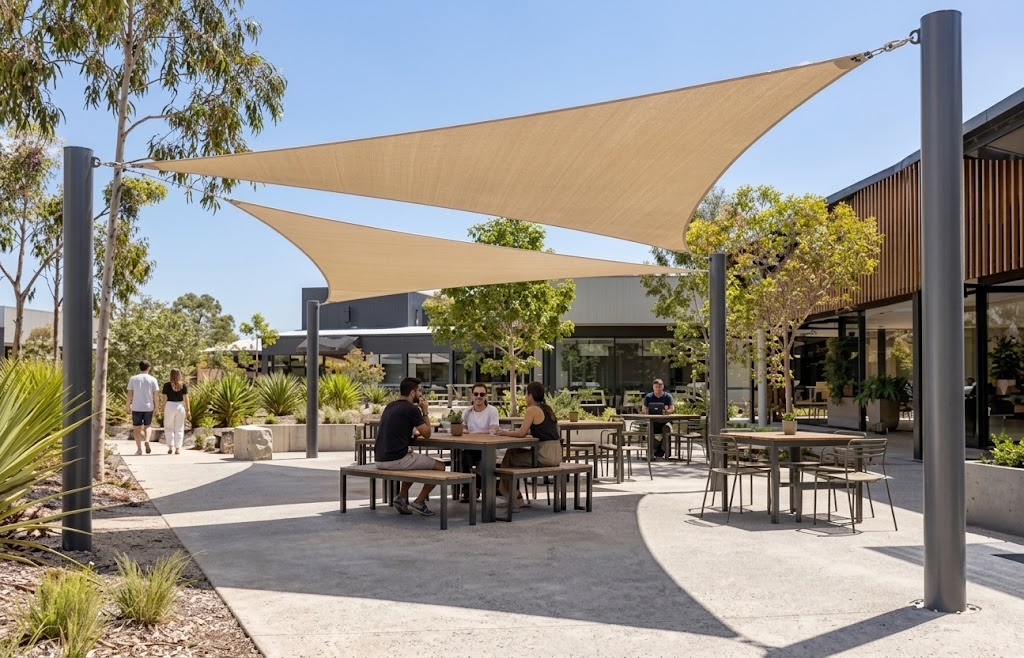
Outdoor areas are an important part of Australian homes, schools, workplaces and public spaces. However, exposure to sun, glare and heat can limit how comfortably these areas are used during the day. Well-planned Sunshade Sails can help create more practical outdoor environments by improving shade coverage without fully enclosing a space. When designed and installed correctly, they can support safer, cooler and more flexible outdoor use across a range of settings.
Why shade planning matters in Australia
Australia’s climate makes outdoor shade a practical consideration rather than a decorative afterthought. Courtyards, playgrounds, car parks, hospitality areas and residential backyards can all become uncomfortable when direct sun exposure is not managed.
Shade planning helps determine where cover is needed most, how people move through a space and which areas require protection at different times of day. A shaded entry point, seating area or play zone can make a noticeable difference to daily comfort and usability.
Good planning also considers the purpose of the area. A school playground, for example, may need broad coverage over high-use zones, while a café courtyard may need shade that supports airflow and visibility.
The role of design and positioning
Shade sails work best when their design responds to the site. The shape, height, angle and fixing points all affect how much shade is created and where it falls throughout the day.
A common mistake is assuming that shade will remain in one fixed position. In reality, the sun’s angle changes during the day and across seasons. This means a sail that performs well in the morning may not provide the same coverage in the afternoon.
Design should also account for surrounding buildings, trees, fences and existing structures. These elements may provide partial shade, create wind channels or affect where posts and fixings can be placed.
Choosing suitable materials
Material choice influences durability, weather performance and maintenance needs. Shade cloth can provide effective sun protection while allowing air movement, which is useful in warm outdoor areas. Waterproof fabrics may be considered where rain protection is also needed, although drainage and installation angles become especially important.
The right fabric will depend on how the space is used. For example, a car park shade structure may prioritise durability and broad coverage, while a domestic patio may need a balance of shade, appearance and airflow.
Colour can also influence how a shaded area feels. Darker fabrics may reduce glare, while lighter colours can create a brighter appearance. The choice should suit both the site conditions and the surrounding design.
Safety and structural considerations
Shade sails are tensioned structures, so they must be properly supported. Posts, brackets, walls and other fixing points need to be suitable for the loads created by wind, fabric tension and weather exposure.
This is especially important for larger installations in schools, parks, commercial spaces and community facilities. Poorly planned structures may sag, move excessively or place stress on unsuitable fixing points.
Regular inspections also matter. Over time, fittings can loosen, fabric can wear and nearby branches or debris can cause damage. A simple maintenance schedule helps identify small issues before they affect the safety or performance of the structure.
Domestic and commercial applications
Shade sails can be used in many different environments. Around homes, they are commonly considered for patios, pools, driveways, play areas and garden seating zones. They can help extend the practical use of outdoor areas without requiring a fully roofed structure.
In commercial and public settings, shade sails can support customer comfort, staff wellbeing and safer use of outdoor facilities. They may be used over childcare areas, school yards, sporting facilities, outdoor dining spaces and pedestrian zones.
Each setting has different requirements. Public and commercial spaces often need more detailed consideration of compliance, access, durability and long-term maintenance.
Maintenance for long-term performance
Even well-installed shade sails need ongoing care. Leaves, dirt and moisture can build up over time, especially in areas near trees or exposed to dust. Cleaning should follow the fabric manufacturer’s recommendations to avoid damaging coatings or fibres.
Tension should also be monitored. A loose sail may flap in the wind, place extra stress on fittings or hold water in low sections. Keeping the fabric correctly tensioned helps maintain both appearance and performance.
A practical maintenance routine can include checking stitching, corners, posts, brackets and drainage angles. This helps ensure the structure continues to provide reliable shade while remaining safe for everyday use.