

How to Design a New Home to Build: A Step-by-Step Guide
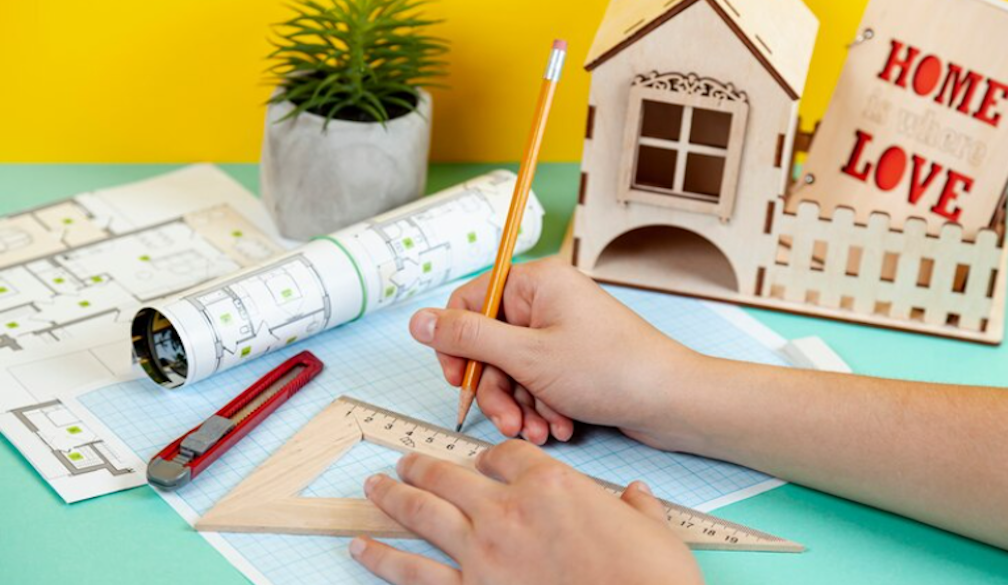
So, you’re ready to build your dream home. That’s exciting! But before you get too carried away with Pinterest boards and color swatches, let’s pause and think about the process. Designing a new home is a lot like telling a story: it’s about creating a space that reflects who you are, how you live, and what you value most. But where do you begin? And how do you make sure the end result is everything you dreamed of?
In this guide, we’ll walk you through the essential steps to design a new home, from understanding your needs to finalizing the plans. Whether you’re starting from scratch or simply dreaming of an ideal space, this guide will help you approach your new home design with confidence and clarity. Let’s dive in!
- Understand Your Needs and Priorities
Before you start imagining your perfect home, it’s important to understand what you really need. Think about the basics first. Do you need extra bedrooms for a growing family? Is an open-concept kitchen a must-have for your cooking and entertaining style? Prioritizing your needs sets a clear foundation for the design process.
Must-Have Features:
- Bedrooms: How many do you need? Do you need a dedicated office space?
- Living areas: A large family room for gatherings or a cozy nook for reading?
- Storage: A pantry, closet space, or maybe a garage?
Nice-to-Have Features:
- Home theater room or a luxury bath.
- Outdoor spaces like a pool or an expansive garden.
- Smart home technology or eco-friendly features like solar panels.
By listing your “must-haves” and “nice-to-haves,” you can begin to see the difference between essentials and desires. This will help you make smarter choices later in the process, especially when it comes to budget.
- Choose the Right Style and Aesthetic for Your Home
This is where the fun begins! Choosing the right design style for your home can really make it feel like you. Whether you prefer a modern minimalist look, a cozy farmhouse feel, or something in between, your home’s aesthetic will shape the entire design.
Key Considerations:
- Interior design styles: Open-plan, minimalist, industrial, or traditional: choose the vibe that feels like home to you.
- Exterior design: Think about curb appeal and what materials will work best for your climate and aesthetic.
- Visual flow: Does your style translate well from inside to outside, and vice versa? Ensure consistency in materials and colors.
The key here is consistency. Your home’s design should have a cohesive flow that ties all the rooms together, from the living room to the kitchen to the exterior.
- Plan the Layout and Flow of Your Home
Designing a home isn’t just about choosing beautiful finishes, it’s about ensuring your space works for you. How will you move through your house? Is the flow of rooms intuitive? A great layout will make everyday life easier and more enjoyable.
Key Considerations:
- Zoning: How do you want to divide the space? Bedrooms should feel private and peaceful, while living areas should be welcoming and functional.
- Room sizes: Think about how you live, do you need a larger kitchen for family meals or a small, cozy study for quiet work?
- Future needs: Do you plan on expanding your family? Think about room for growth, whether that’s adding another bedroom or building a second bathroom.
You want to ensure that functionality and flow are at the forefront of your design. It’s important that your layout suits both your current needs and potential future changes.
- Think About Site Placement and Orientation
You’ve got your design in mind, now think about how the home will sit on your property. The site placement plays a big role in your home’s energy efficiency and comfort. Where will the sun rise and set? What direction does the wind typically blow? These elements can impact natural light, heating, and cooling.
Key Considerations:
- Sunlight: Try to orient your home to take advantage of natural light, especially in living areas and bedrooms.
- Privacy and Views: Consider how to maximize views while maintaining privacy. Avoid placing windows directly where neighbors can peek in.
- Wind and climate: Consider passive design strategies like cross-ventilation and shade for energy efficiency.
Good site placement is essential for creating a home that feels comfortable year-round, while also reducing energy costs.
- Work with the Right Professionals
This is not a “one-person show.” Collaborating with the right professionals “architects, builders, and designers” is essential to make sure your vision is realized. Choosing the right team will ensure that the design, structure, and final construction meet your standards.
Key Considerations:
- Architect vs Designer: An architect might be needed for more complex designs, while a building designer can handle more straightforward projects.
- Contractors and builders: Find reputable contractors who have experience working on homes similar to yours. Always check references.
- Legal and compliance: Make sure your team knows the local zoning laws and building codes.
Your professionals should help guide you throughout the design and construction process, keeping everything on track and in compliance.
- Create a Realistic Budget and Stick to It
Designing a home can be expensive, so it’s crucial to establish a budget early on and stick to it. The goal is to create a home that not only meets your needs but also fits within your financial parameters. Balancing your dream with your budget is key.
Key Considerations:
- Initial costs: Design, permits, site preparation, and materials.
- Ongoing costs: Construction, labor, and professional fees.
- Contingency funds: Unexpected changes or upgrades can throw off your budget, so plan for a buffer (typically 10-20% of the total cost).
A well-thought-out budget helps prevent overspending while ensuring that every corner of your new home meets your needs.
- Finalizing Your Design and Preparing for Construction
Once you’ve got your design and budget sorted, it’s time to finalize your plans. This includes getting permits, getting final approvals from local councils, and working with your team to ensure everything is ready to go.
Key Considerations:
- Detailed plans: Ensure all your design details are documented, including architectural drawings, engineering reports, and materials lists.
- Planning approvals: Submit your plans for approval by local authorities to ensure compliance with zoning laws and safety regulations.
- Construction timeline: Work with your builder to establish a timeline for when work will begin and the expected completion date.
Conclusion:
Designing your dream home is one of the most exciting projects you’ll ever take on. By following these essential steps “prioritizing your needs, choosing a style, planning your layout, and working with the right professionals” you’ll be on your way to creating a space that fits both your lifestyle and budget. Ready to start your journey? Begin by defining your vision and reaching out to a professional to bring your dream home to life.
