

Why Ignoring a Leaking Tap or Blocked Drain Could Lead to Bigger Problems
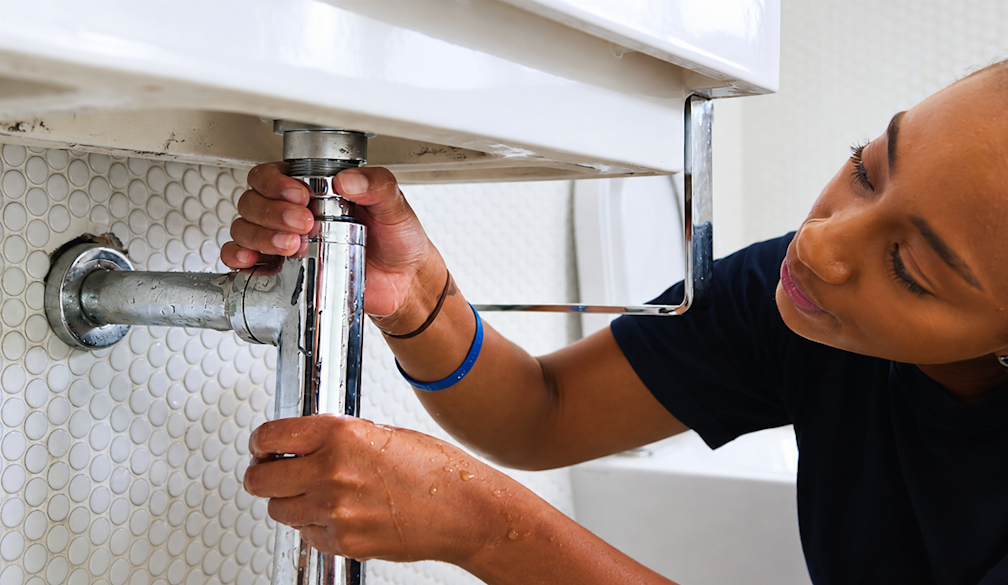
A dripping tap or slow-draining sink might seem like a minor inconvenience, but small plumbing problems can quickly develop into expensive repairs. Many homeowners put off calling a plumber because the issue appears manageable or does not disrupt their daily routine. However, recognising early warning signs and addressing them promptly can help prevent water damage, reduce waste and avoid unexpected plumbing emergencies.
Understanding Why Blocked Drains Can Become Serious Problems
Blocked drains are among the most common plumbing problems homeowners encounter, and ignoring them can lead to more significant complications. According to Gitnux, clogged drains or sewer line issues account for around 60% of plumbing-related emergency calls. This highlights why it is important to investigate persistent drainage problems rather than assuming they will resolve themselves.
A blocked drain can develop for several reasons, including the accumulation of hair, soap residue, food scraps and grease. Over time, these materials can restrict water flow, causing sinks, showers and other fixtures to drain slowly. If the blockage becomes severe, wastewater may back up into the property, creating unpleasant odours and potentially exposing household surfaces to contaminated water.
Homeowners should pay attention to warning signs such as gurgling sounds, water pooling around drains and unpleasant smells coming from plugholes. Multiple slow-draining fixtures may indicate a more extensive blockage within the plumbing system rather than an isolated issue. If these symptoms persist despite basic cleaning, contacting a licensed plumber can help identify the underlying cause before the problem becomes more disruptive.
Preventive maintenance can also reduce the likelihood of recurring blockages. Avoid pouring cooking oils, fats and grease down kitchen sinks, and use suitable drain covers to catch hair and other debris in bathrooms. Regularly cleaning accessible drain covers and removing visible buildup can help maintain water flow, although deeper or persistent blockages may require professional equipment.
Recognising How Leaking Taps Waste Water and Money
A leaking tap might only release a few drops at a time, making it easy to overlook the problem. However, even a small leak can waste water continuously, particularly when it goes unnoticed for weeks or months. According to Plumbing Manufacturers International, leaks account for 13.7% of water use, highlighting how plumbing faults can contribute to unnecessary water consumption.
Beyond water waste, leaking taps can indicate worn washers, damaged seals, faulty cartridges or other deteriorating components. Although replacing a small part may be relatively straightforward, leaving the issue unresolved can allow the leak to worsen. Depending on its location, escaping water can also damage cupboards, benchtops, flooring and nearby building materials.
It is important to inspect areas around taps, toilets, sinks and exposed pipes for signs of moisture. Water stains, peeling paint, swollen cabinetry and persistent dampness can indicate a hidden leak, even when there is no obvious dripping. Homeowners should also monitor their water bills because an unexplained increase in consumption may point to a plumbing problem that needs investigation.
Taking action early can help limit these costs and prevent more extensive damage. A plumber can assess the source of the leak, determine whether a component needs replacement and check for related problems. If a leak is causing significant water loss, shutting off the affected fixture's water supply, where possible, can help minimise damage while professional assistance is arranged.
Knowing When to Call a Professional Plumber
Some minor plumbing issues can be addressed with routine cleaning or simple maintenance, but others require professional attention. According to WifiTalents, 40% of homeowners use emergency services for plumbing repairs. This figure illustrates how frequently plumbing problems can become urgent enough to require immediate assistance.
Knowing which symptoms demand a prompt response can help homeowners make informed decisions. A burst pipe, overflowing toilet, significant water leak or sewage backup should not be treated as a routine maintenance issue. These problems can cause substantial property damage, interrupt household activities and create unsanitary conditions if they are not addressed quickly.
Homeowners should also avoid relying on temporary fixes when the same problem repeatedly returns. Chemical drain cleaners, for example, may not resolve the underlying cause of a persistent blockage and can damage certain plumbing materials when used incorrectly. Similarly, repeatedly tightening fittings or applying sealants to a leaking connection may conceal the symptoms without addressing the actual fault.
Choosing a qualified plumber can help ensure that the issue is properly diagnosed and repaired. Before booking a service, explain the symptoms, when they started and whether the problem affects multiple fixtures. Providing these details can help the plumber assess the situation and determine the appropriate next steps.
Regular plumbing inspections can also help identify deteriorating pipes, worn fittings and drainage issues before they become emergencies. While not every plumbing problem can be prevented, responding quickly to unusual sounds, persistent leaks and slow drainage can reduce the risk of more extensive repairs. Establishing a maintenance routine and knowing when to seek professional help can make household plumbing easier to manage.
Ignoring a leaking tap or blocked drain can lead to wasted water, damaged surfaces and costly emergency repairs. Small warning signs often provide an opportunity to resolve problems before they affect other parts of the plumbing system. By maintaining drains, monitoring water usage and arranging professional repairs when necessary, homeowners can protect their properties and avoid preventable expenses.
