

Backyard Basketball Set-Ups That Get Used
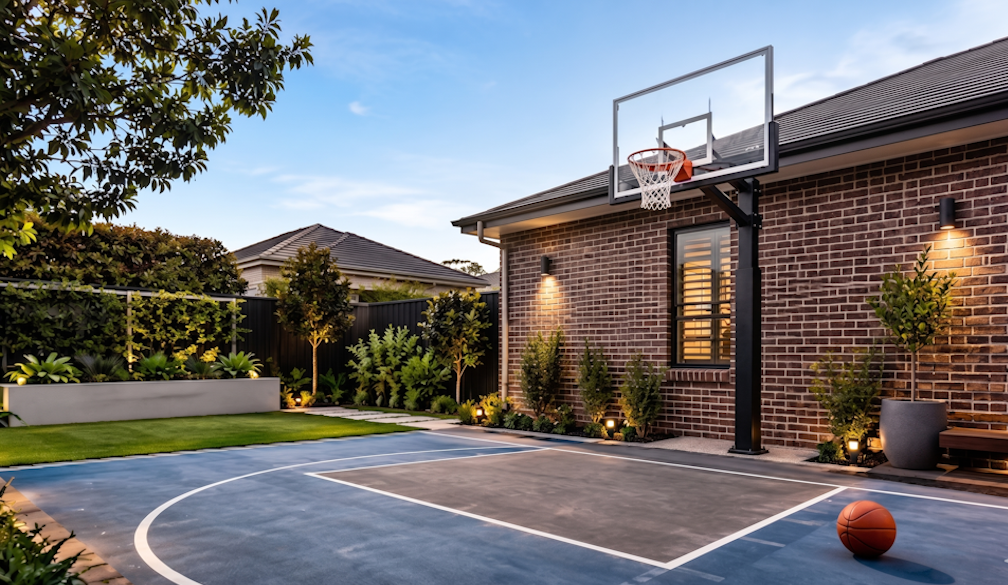
Many backyard hoops start with big intentions and end up gathering dust because the set-up is awkward, noisy, unsafe, or simply not fun to play on. The good news is that a few practical decisions can turn a hoop into a regularly used feature rather than a novelty. Thinking about space, surfaces, and household routines makes more difference than chasing the most “professional” look. If you are comparing common styles and configurations, it can help to review a range of BASKETBALL HOOPS as a baseline for what’s available locally.
Map the space like a mini court
Start by identifying the best playing lane. People naturally move in straight lines when they dribble or drive to the hoop. A hoop placed in a cramped corner often leads to broken pots, scraped walls, and short games.
If possible, aim for:
- A clear run-up area in front of the hoop
- Space to move left and right around the key area
- A safe zone behind the backboard (for rebounds and overthrows)
Even in smaller yards, a simple “shooting lane” that stays clear of obstacles is usually better than squeezing a hoop into the only available patch of wall.
Choose a surface that supports repetitive play
Surface choice affects enjoyment and injury risk. Rough or uneven ground makes dribbling frustrating, and slippery surfaces increase the chance of falls. Concrete can work well, but consider drainage and whether moss or leaf build-up will become a recurring issue in shaded areas.
If resurfacing is not an option, try to place the hoop where the ground is most level and where you can keep it clean. A quick sweep can make the difference between a usable play space and one that feels unsafe.
Portable or fixed: match it to your household
Portable systems suit households that need flexibility, but they require discipline. If the hoop is moved for cars or storage and never moved back, usage drops quickly. In-ground systems take more effort to install, but they remove friction because the hoop is always ready.
A realistic approach is to ask:
- Will we actually keep a portable hoop in playing position?
- Is the yard layout stable long-term?
- Do we need to avoid drilling or digging?
The best option is the one that will be used consistently.
Make noise and neighbour impacts part of the plan
Basketballs are loud, especially on hard surfaces and near fences or walls. If you want your hoop to be used often, think about when people will play and how sound travels in your area. Placing the hoop away from bedroom windows and shared boundaries can reduce tension and make evening use more practical.
Also consider the backboard and rim design, as some combinations produce more vibration. Small adjustments in placement can be a simple fix.
Add lighting that suits casual play
Good lighting extends usefulness through winter and after school. You don’t need stadium floodlights, but you do need consistent illumination around the hoop and the main dribbling area. Harsh glare can be worse than low light, so choose a direction that reduces shadows.
If you are installing new lights, ensure they do not spill excessively into neighbours’ yards. It is easier to keep a set-up in regular rotation when it feels respectful and manageable.
Build “friction-free” habits into the set-up
A hoop gets used when:
- The ball is easy to find and inflate
- The area stays clear of clutter
- The set-up feels safe to step into quickly
A simple ball rack, a pump stored nearby, and a routine to keep the lane clear can make casual five-minute sessions more likely. Over time, those short sessions are what turn a backyard hoop into a genuine activity space.
Practical upgrades that improve play fast
If you want better play without major spending:
- Mark simple shooting spots with chalk or tape
- Add a basic rebound routine (wall-free space helps)
- Keep a broom outside for quick clean-ups
- Set a height rule for younger kids so they can score
