

Why a Foam Gymnastic beam Helps Beginners Learn
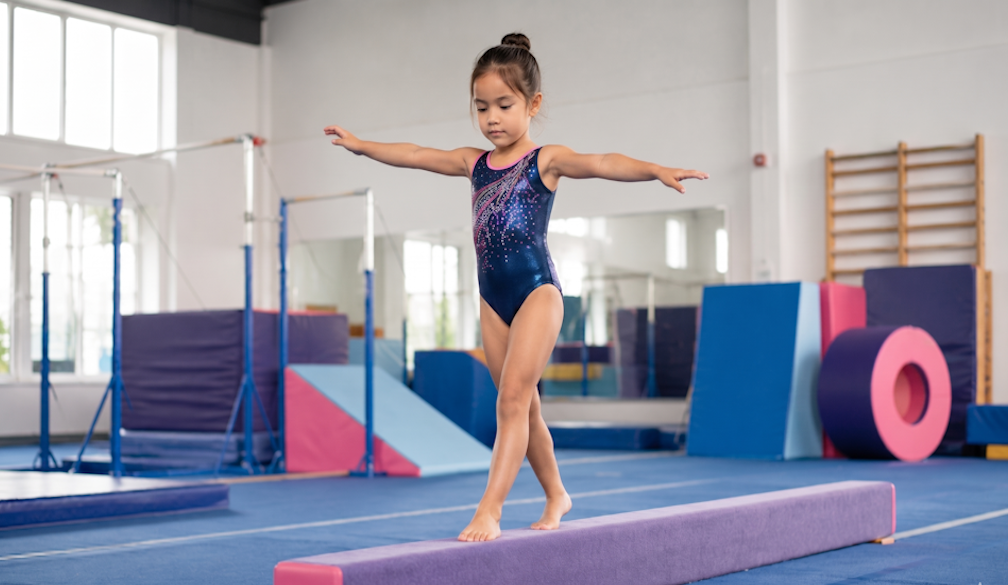
When beginners start gymnastics, confidence can be just as important as coordination. New athletes are often learning unfamiliar movements while also adjusting to different types of equipment. In these early stages, a Foam Gymnastic beam can be a practical training tool because it allows gymnasts to focus on balance and body control in a lower-pressure setting.
Soft training equipment is often used to support progressions, especially when children are still becoming comfortable with posture, foot placement and movement awareness. While it does not replace formal coaching or proper technique instruction, it can help create a more approachable environment for early practice.
A softer introduction to beam work
For many beginners, the beam can feel narrow and intimidating. A foam version offers a gentler starting point, which can make the learning process less overwhelming. This is particularly useful for younger gymnasts who are still getting used to standing on a raised or defined surface.
The softer material can help reduce apprehension during simple drills. That mental comfort matters because anxious movement often leads to rushed steps and poor posture. When children feel more at ease, they are generally better able to listen to instruction and move with control.
Useful for building basic movement patterns
Early gymnastics training often focuses on repeatable movement patterns. Walking in a straight line, pausing in balance positions and lifting one leg with control are all common beginner tasks. A foam beam supports these drills by giving gymnasts a clear line to work on without introducing unnecessary complexity.
Because the emphasis stays on the movement itself, athletes can develop better habits from the start. Small corrections in posture, arm placement and foot alignment are easier to reinforce when the gymnast is not distracted by fear or hesitation.
Encouraging confidence through steady progress
Confidence tends to grow when athletes experience manageable success. A foam beam can help provide that by allowing beginners to practise achievable drills repeatedly. As they improve, they often become more willing to attempt longer sequences or more controlled transitions.
This matters in gymnastics because confidence and technique are closely linked. A gymnast who trusts their balance is more likely to move smoothly and maintain focus through each exercise.
Helpful for home reinforcement
Many families look for ways to reinforce coached lessons outside class time. A foam beam can support this by making it easier to practise simple drills at home in a controlled way. The focus should remain on basic exercises already introduced by a coach, rather than attempting unfamiliar skills independently.
Short practice sessions can be enough to reinforce body awareness and consistency. For beginners, that kind of repetition often supports better retention between structured classes.
Supporting coordination and focus
Beam work is not only about balance. It also encourages concentration, patience and careful sequencing. Even basic activities require the gymnast to think about where the body is positioned and how each step connects to the next one.
These habits can benefit wider gymnastics training. Improved focus on a beam often carries into floor drills and general movement quality.
A practical option for early-stage learning
Not every training tool needs to be complex to be valuable. For beginners, the most useful equipment is often the kind that supports clear, repeatable practice. A foam beam fits that purpose well by helping athletes work on the fundamentals in a way that feels approachable, structured and suitable for early development.
