

Navigating the World of Sleep Apnea Treatment with a Specialist
- Written by Auzzi Shopping
Introduction
Sleep apnea is a sleep disorder that affects millions of people worldwide. It is characterized by interrupted breathing during sleep, which can lead to a range of health problems. A sleep apnea specialist in Melbourne is a healthcare professional who specializes in the diagnosis and treatment of sleep apnea. They work closely with patients to identify the underlying causes of sleep apnea and develop personalized treatment plans to improve their quality of life. In this article, we will explore the causes of sleep apnea and the different types of sleep apnea treatments available. Whether you are a sleep apnea patient or a healthcare professional seeking to learn more about sleep apnea, this article will provide valuable insights into the world of sleep apnea and its treatment.
Causes of Sleep Apnea
Sleep apnea is caused by a combination of factors that affect the muscles and soft tissues in the throat, as well as the brain's ability to control breathing during sleep. Here are some of the common causes of sleep apnea:
- Obesity: People who are overweight or obese are at a higher risk of developing sleep apnea because excess fat deposits can narrow the airways in the throat, making it difficult to breathe during sleep.
- Age: As people age, the muscles in the throat tend to weaken, which can cause the airway to collapse more easily during sleep.
- Gender: Men are more likely to develop sleep apnea than women, although the risk increases for women after menopause.
- Genetics: Sleep apnea can run in families, suggesting a genetic component.
- Medical conditions: Sleep apnea can be caused or worsened by medical conditions such as congestive heart failure, diabetes, and high blood pressure.
- Alcohol and sedative use: Alcohol and sedatives can relax the muscles in the throat, making it more difficult to breathe during sleep.
- Smoking: Smoking can cause inflammation and fluid retention in the airway, making it more difficult to breathe during sleep.
Identifying the underlying cause of sleep apnea is critical for developing an effective treatment plan. Sleep apnea specialists work closely with patients to conduct thorough evaluations and identify the factors contributing to their sleep apnea. By addressing these underlying causes, sleep apnea treatment can be personalized to meet each patient's unique needs.
The Different Types of Sleep Apnea Treatments
There are several types of sleep apnea treatments available, ranging from lifestyle changes to medical interventions. Here are some of the most common sleep apnea treatments:
- Lifestyle changes: Making lifestyle changes such as losing weight, quitting smoking, avoiding alcohol and sedatives, and sleeping on your side can help alleviate sleep apnea symptoms.
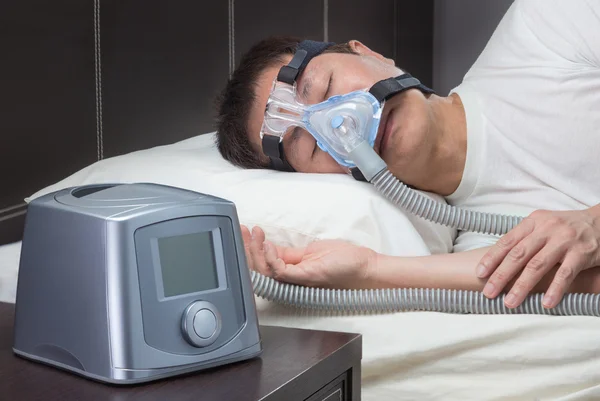
- Continuous positive airway pressure (CPAP): CPAP therapy involves wearing a mask over your nose and/or mouth that delivers a continuous stream of air to keep your airway open during sleep.
- Oral appliances: Oral appliances are devices that are worn in the mouth to reposition the jaw and tongue and keep the airway open during sleep.
- Surgery: Surgery may be recommended for severe cases of sleep apnea that do not respond to other treatments. Surgical options include uvulopalatopharyngoplasty (UPPP), which removes excess tissue from the back of the throat, and maxillomandibular advancement (MMA), which repositions the jaw to open the airway.
- Hypoglossal nerve stimulation: Hypoglossal nerve stimulation is a relatively new treatment that involves implanting a device that stimulates the nerve that controls the tongue and other muscles in the throat to keep the airway open during sleep.
- Positional therapy: Positional therapy involves wearing a device that helps keep you sleeping on your side, which can help alleviate sleep apnea symptoms.
The most effective sleep apnea treatment will depend on the individual patient's needs, the severity of their sleep apnea, and their overall health. Sleep apnea specialists work closely with patients to develop personalized treatment plans that address their unique needs and help them achieve a better night's sleep and improved overall health.
Conclusion
Sleep apnea is a common sleep disorder that affects millions of people worldwide. It is characterized by interrupted breathing during sleep, which can lead to a range of health problems. Fortunately, there are many effective sleep apnea treatments available, ranging from lifestyle changes to medical interventions. Sleep apnea specialists play a critical role in the diagnosis and treatment of sleep apnea, working closely with patients to identify the underlying causes of their sleep apnea and develop personalized treatment plans. By addressing the factors contributing to sleep apnea, sleep apnea treatment can be tailored to each patient's unique needs, helping them achieve better sleep and improved overall health. With the right treatment plan and ongoing support from a sleep apnea specialist, patients can manage their sleep apnea symptoms and enjoy a better quality of life.


