

Pool Coping vs Field Pavers: What Homeowners Should Know Before They Order
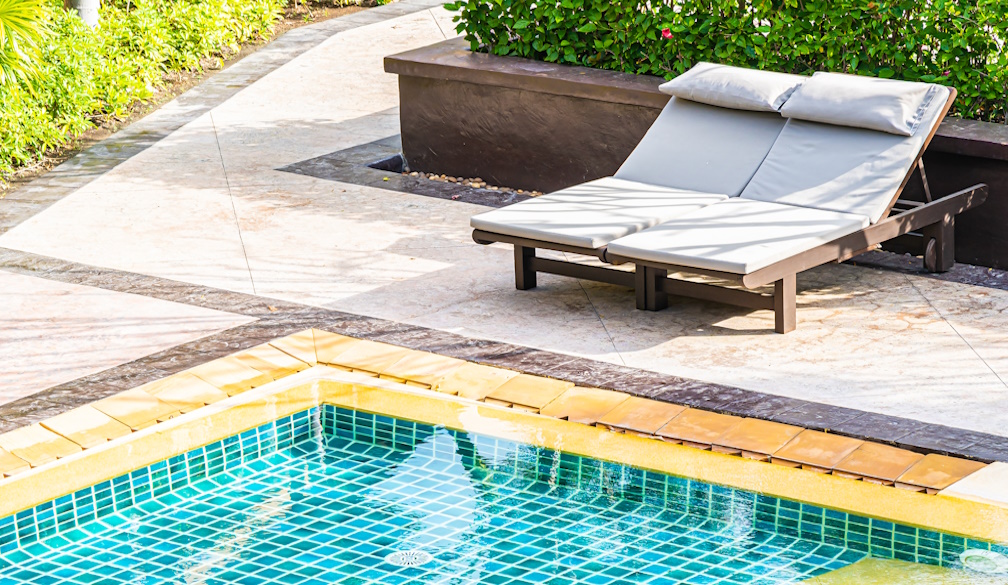
Anyone planning a pool renovation eventually hits the same question: what actually goes around the edge? It's tempting to assume the same paving material used across the deck simply continues over the pool's rim, but the edge of a pool is a different structural zone to the rest of the paved area, and the stone used there is chosen — and cut — accordingly.
For homeowners weighing up natural stone, travertine pool pavers remain one of the most consistently recommended options for the surrounding deck, largely because of how the material behaves underfoot in direct sun. But the coping — the stone unit that caps the pool shell itself — is a separate consideration from the field paving that covers the rest of the space, and conflating the two is one of the more common planning mistakes in a pool build.
Coping and Field Pavers Are Not the Same Product
Coping sits directly over the pool's bond beam, at the waterline, and its job is structural as well as aesthetic: it protects the top of the pool wall, conceals the join between the shell and the surrounding paving, and gives swimmers a safe edge to grip. Because of that structural role, coping is typically cut thicker than standard field pavers and finished with a specific edge profile rather than the flat edge used across open paving.
Choosing a Coping Profile
Three profiles come up most often in natural stone pool builds. A bullnose edge is fully rounded, comfortable to the hand and foot, and tends to suit more traditional pool designs. A drop-face — sometimes called a rebate — drops over the pool wall at a right angle, which conceals the adhesive line beneath the coping and gives a cleaner, more contemporary look. A tumbled square edge skips the drop entirely, favouring a straighter, more rustic finish that blends into surrounding paving rather than standing apart from it.
Finish and Slip Resistance
Finish matters just as much as profile, particularly around water. A tumbled or brushed surface retains a naturally textured, porous finish that stays grippy even when wet, which is precisely why these finishes dominate pool applications. Honed and polished finishes are smoother to the touch and look elegant in covered or low-moisture settings, but they reduce slip resistance in a way that makes them a poor choice for an area that's wet more often than not.
Colour and Design Considerations
Colour is often the first decision homeowners make, and the last one they revisit once they understand the functional side of the material. Ivory and cream tones remain the most requested for pool surrounds, largely because they read as cool and reflective in bright sun, while deeper tones are occasionally chosen for coping specifically to create contrast against a lighter field paver. Either approach is workable, provided the finish and profile decisions above are made independently of the colour choice rather than as an afterthought.
Sealing and Ongoing Care
Sealing is worth planning for regardless of finish. Natural stone is porous by nature, and while that porosity is part of what keeps it cool underfoot, it also means moisture and minerals can work their way into the surface over time if left untreated. A penetrating sealer, reapplied every few years depending on exposure, protects against staining without filling in the texture that provides grip — the two goals aren't in conflict if the right product is used.
Matching Batches for a Consistent Result
One detail that's easy to overlook until it becomes a problem is batch consistency. Coping and field pavers ideally come from a matched batch, since natural stone varies in colour and texture from one production run to the next. Sourcing both from the same supplier and the same manufacturing batch avoids a visible mismatch where the coping and the surrounding deck don't quite align — a detail that's far easier to get right at the ordering stage than to correct after installation.
What Drives the Cost
Cost varies with all of the above: profile complexity, stone grade, and thickness all move the price independently, which is why a general “per square metre” figure rarely tells the full story for coping specifically. Getting a quote based on the actual pool dimensions and chosen profile is the only reliable way to budget accurately, rather than working from a broad material average that may not reflect coping's higher fabrication demands.
Laying Pattern Considerations
Laying pattern is a separate decision again, and one that's easy to conflate with the coping-versus-field question. Field pavers are commonly laid in a running bond or, for a more elaborate look, a French pattern that combines several module sizes into a single repeating layout. Coping, by contrast, almost always runs as a single consistent unit along the pool's perimeter — mixing pattern sizes at the water's edge undermines the clean line that coping is meant to provide, even where the field paving beyond it uses a more varied layout. Keeping this distinction in mind when briefing a designer avoids a mismatch between the plan on paper and what actually reads well once installed.
Maintenance Near the Pool Edge
Maintenance requirements differ slightly between the two zones as well, mostly due to proximity to water. Coping is exposed to more direct splash-out, chlorine or salt residue and mineral deposits than field paving further from the pool's edge, so it benefits from more frequent rinsing in addition to the standard sealing and pH-neutral cleaning routine that applies to the whole installation. None of this is high-maintenance by natural stone standards, but it's worth setting expectations early rather than being surprised by a slightly different care routine for the coping strip compared with the rest of the deck.
Briefing Your Builder or Supplier
For anyone briefing a builder, designer or supplier on a pool project, it's worth being specific about both elements from the outset rather than requesting “travertine paving” as a single line item. Confirming the coping profile, finish, thickness and quantity separately from the field paving specification — and asking whether both will be sourced from a matched batch — removes most of the ambiguity that leads to mismatched quotes or unexpected costs later in the project.
Final Thoughts
None of this makes the decision complicated, but it does reward a bit of upfront thinking. Understanding that coping and field paving are specified separately — for genuinely different structural and safety reasons — puts homeowners in a much stronger position when they're briefing a builder, comparing supplier quotes, or simply trying to work out why one quote for “travertine” looks so different from another. A pool edge that's specified correctly the first time tends to be the one that never needs revisiting.
