

How to Keep Your Kids Safe When Travelling
- Written by News Company
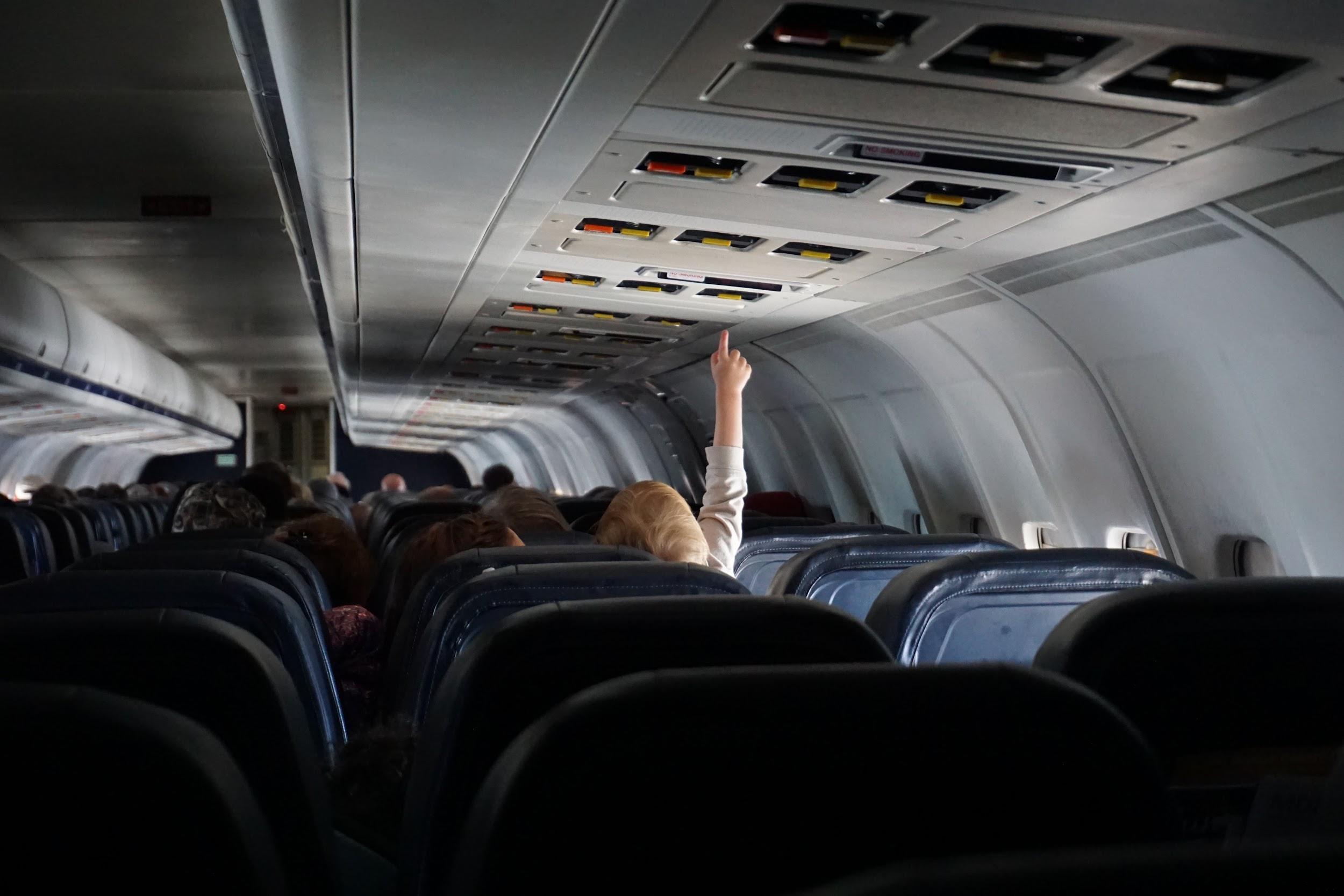
Every parent worries about what they should be doing to keep their children safe, and this is especially true when travelling. We have given a few ideas on how you can alleviate some of the uncertainty that every parent feels when travelling with their children.
Getting the Basics Right
As any parent knows just a simple walk to the shops can be stressful with young children in tow. Before embarking on any journey, whether you are going on holiday or a local errand, you need to have a few basic rules in place that your children must follow. It is a good idea to have a few keywords that your children will react to immediately to stop them from entering a busy road or another dangerous area. Choose words that you don’t use every day as these can end up just being background noise that children will pay little attention to. Before you head out, remind the children what colour clothes you are wearing so they can identify you if they stray a few steps behind. Teach your children the basics of road crossing and other similar guidelines to follow. Let them know who they should seek help from if they get lost or separated from the group.
Car Safety
When travelling in the car, you will need to have some basic rules to prevent the children from putting themselves or other passengers in danger. Children get bored quickly, and when restless, they tend to start causing problems by moving about or shouting. Make sure they have entertainment for any lengthy car trips by providing them with books, music, games or devices to watch cartoons on. Another important aspect to consider is providing the appropriate seating for your child in the car. Depending on which state you’re living in, you might find that some local governments are stricter than others. Depending on the age and size of your child, you’ll need to provide them with the appropriate seating for the vehicle. You’ll have the option of choosing either rear-facing or forward-facing seats. Make sure to check with seat retailers to make sure that your child is in the appropriate car or booster seat. Many websites state a specific age group, when it is really down to the child’s height. The car seat position will differ for each child so check what the best advice is from local safety agencies. Should your car have a mechanical problem or need to stop in a dangerous place make sure your children stay away from moving vehicles on the road, never leave them unattended as they can run off in an instant leaving you little or no time to react. You can ensure this by setting a child lock on the rear doors of the vehicle, a common feature available on most cars. Keep some high visibility clothing in the car as your children may need to wait at the side of the road while you have your car fixed or await a tow truck.
Public Transport
Travelling on public transport such as planes, trains and buses can be a handful with more than one child. Try to teach your children how to carry their own luggage and take care of their possessions when you travel on public transport. Show them who they need to speak with should they get lost or separated from you, and it is always a good idea to wear clothing that stands out in a crowd. On long journeys, they will become restless so ensure that they have plenty to do that will keep them entertained. When booking tickets, it is a good idea to try and get seats that are not too far from bathrooms so your children can go on their own, but that you can keep an eye on them. Public transport, in general, is very safe, so your priority is making sure your children stay together as a group and don’t become separated. Encourage your children to hold hands with each other and an adult when possible. If bringing a packed lunch, try to bring items that won’t cause a mess and are easy to consume.
Travelling Abroad
When visiting another country, make sure your children are aware that traffic systems work differently. They need to know if traffic flows the other way or if there are different rules and customs as many western children get familiar with how safe road networks are and underestimate the dangers when travelling abroad. Prepare for any eventuality by getting appropriate travel insurance that will cover any medical bills and repatriation should an accident occur. Let the youngsters know that they can only drink bottled water as some countries don’t have clean tap water available. Try to eat at reputable restaurants to limit the chance of food poising as this will be very uncomfortable and may spoil the entire holiday. If travelling to countries that don’t speak English, you may want to teach your children a few basic phrases they can use to let people know they have a problem such as explain they have lost their parents or need to find their hotel.
By following the advice above and using some common sense, you will start to relish the idea of travelling with your youngsters. Set the rules before embarking on a trip and make sure the children adhere to them. Check out some parenting websites online to read about other, similar experiences, and you will eliminate most of the risks your children may face. Remember that all children get injured at some point, and all you can do is cut down the risk of that happening and be prepared to know what to do should anything occur.


